
Carissa haematocarpa
Carissa haematocarpa
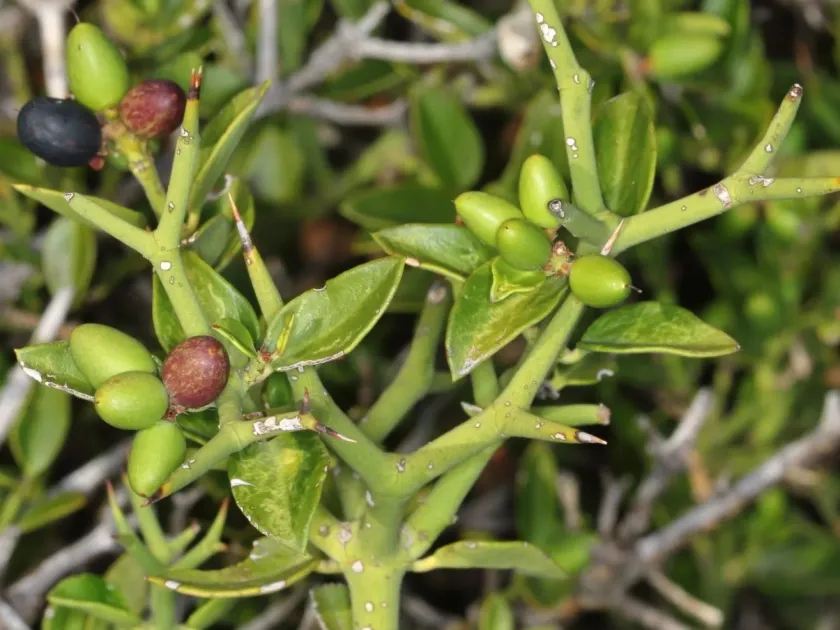
Description
Growing requirements
Carissa haematocarpa, known as the blood-fruited carissa, is an evergreen thorny shrub belonging to the Apocynaceae family. It is native to the arid landscapes of the southwestern United States and Mexico, thriving in harsh, water-limited environments.
This species requires well-drained, sandy, or rocky soils with a neutral to slightly alkaline reaction. The plant is highly intolerant of waterlogged conditions, which can lead to rapid root decay, necessitating the selection of slopes or raised beds for cultivation.
Full sun exposure is essential for the plant to achieve its maximum metabolic potential and to produce a healthy crop of fruits. In shaded environments, the plant becomes sparse, loses its density, and significantly fails to initiate floral development.
While the plant is hardy and adapted to high heat, it can tolerate brief periods of freezing temperatures down to -7 degrees Celsius. However, sustained frost may cause dieback of younger, tender branches, requiring seasonal protection.
Agronomic management involves strategic pruning to manage the dense, sharp thorns that characterize this species. Providing regular, light applications of phosphorus-rich fertilizers can encourage better fruit set without forcing excessive vegetative growth.
Yield
The blood-fruited carissa is cultivated primarily for its edible berries, which offer a unique tart flavor profile. These fruits are increasingly recognized for their potential in value-added processing, such as preserves, juices, and culinary syrups.
Yield capacity matures over time, with established shrubs providing a reliable harvest once they reach their fifth year of growth. The fruit ripens in distinct cycles, often responding to moisture availability during the growing season.
Harvesters must exercise caution due to the formidable thorns protecting the fruit. It is advised to harvest berries only when they have achieved their full, deep color, which indicates optimal sugar levels and maturity of the pulp.
From an agricultural standpoint, Carissa haematocarpa is a low-input crop suitable for regions where traditional fruit farming is restricted by water scarcity. Its ability to thrive in poor soils reduces the dependency on soil amendments and intensive fertilization.
In addition to food production, the plant serves an ecological role as an effective perimeter hedge. Its compact, prickly structure provides an excellent windbreak and physical barrier against browsing animals.
Main diseases and pests
Spider mites and scale insects represent the most common biological threats to Carissa haematocarpa, particularly in hot, dry climates where these pests thrive. Infestations are usually characterized by stippling on the leaves and honeydew accumulation.
Fungal pathogens associated with root rot are the primary health concern for this crop. These diseases are almost exclusively linked to poor drainage and over-irrigation practices that create anaerobic conditions in the root zone.
Integrated Pest Management (IPM) strategies, including the use of horticultural oils and promoting natural predators, are recommended for maintaining plant health. Avoid broad-spectrum insecticides that may disrupt the local pollinator population.
While the plant is naturally resistant to many issues, proper hygiene is required to prevent the spread of opportunistic fungi. Removing fallen debris and maintaining adequate airflow between shrubs helps to suppress humidity-related disease outbreaks.
- Monitor for signs of mite infestation during extreme heat.
- Ensure the soil surface dries completely between irrigation cycles.
- Sanitize pruning tools to avoid transmission of wood-decay pathogens.