
Calotropis
Calotropis
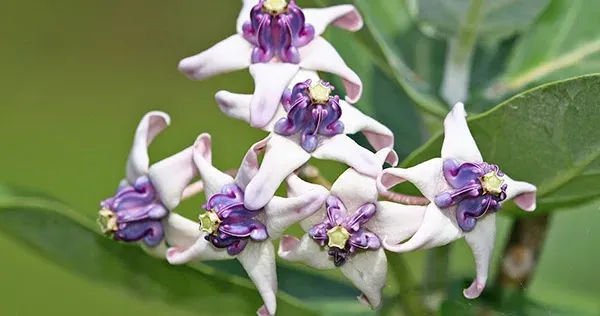
Description
Sowing dates
Calotropis is a perennial shrub, meaning planting is performed when establishing a new plantation rather than on a seasonal basis. The ideal time for sowing is during periods of high soil moisture, typically coinciding with the start of the rainy season in tropical climates.
Seeds should be sown in prepared nurseries or directly into the field with a spacing of at least 2 to 3 meters between rows. A sowing depth of 1 to 2 centimeters is recommended to ensure proper germination of the small seeds.
Vegetative propagation via cuttings is also common, performed during the plant's dormant phase to encourage better root development. Using high-quality planting material significantly improves the establishment of a robust root system during the first months of growth.
Seed treatment before sowing is essential to increase germination rates and protect young seedlings from soil-borne pathogens. In commercial plantations, tray-based seedling production is often utilized to ensure high survival rates upon field transplanting.
Young plants require regular monitoring of moisture levels to prevent the root ball from drying out. Once the shrub reaches a height of 30 to 40 centimeters, it becomes more resilient to environmental stress and requires minimal ongoing maintenance.
Growing requirements
As a member of the Apocynaceae family, Calotropis requires intense sunlight for optimal physiological development. It thrives in open, sunny fields where direct exposure stimulates the synthesis of active compounds and biomass production.
The plant is highly adaptable to poor, sandy, and light soils, making it a valuable candidate for reclaiming degraded land. It exhibits exceptional drought tolerance and can withstand prolonged dry spells due to its deep taproot system.
Optimal growth temperatures range from +25 to +35 degrees Celsius. Because Calotropis is extremely sensitive to frost, its cultivation is strictly limited to tropical and subtropical regions where temperatures remain consistently warm.
Well-drained soil is crucial, as waterlogging in the root zone frequently leads to the development of root rots. Although the plant is hardy, applying minimal nitrogen fertilizer during the early stages can significantly accelerate vegetative growth.
Every part of the plant contains a caustic white latex, which serves as a natural defense against herbivores. This factor must be considered when selecting a site to ensure the crop is not accessible to livestock or wildlife.
Yield
The primary economic value of Calotropis lies in the fibers extracted from its stems and fruit pods. Yield potential depends heavily on planting density and the age of the shrub, with the first harvest possible 12 to 18 months after planting.
The fruit pods contain silky, fluffy fibers similar in quality to cotton or kapok. In industrial settings, clean fiber yields can reach several hundred kilograms per hectare when using intensive management practices.
The latex harvested from the plant is also of commercial interest for pharmaceutical applications. Extraction is performed through careful stem incisions, though managers must strictly monitor the amount removed to avoid compromising plant health.
Sustainable yields are maintained through regular pruning, which encourages the growth of new shoots and prevents the plant from aging prematurely. In plantation settings, the productive life of an individual shrub typically ranges from 5 to 10 years.
Crop quality is highly dependent on timing the harvest during the pod maturation phase. Timely collection before the pods spontaneously open is essential to preserving the integrity and technical properties of the fibers.
Main diseases and pests
While generally considered a hardy plant, Calotropis can be susceptible to specific insect pests. Aphids and certain types of caterpillars are the most common threats, as they damage foliage and apical buds.
In cases of poor drainage or stagnant air within the plantation, fungal leaf spots may emerge. Control measures include the application of broad-spectrum fungicides combined with sanitary pruning of the affected plant parts.
Root systems may face pressure from nematodes, particularly in light, sandy soils. Effective prevention strategies include crop rotation or the use of cover crops, although this is rarely a critical issue in wild populations.
Stem damage from rodents can expose the plant to bacterial infections, as the escaping latex is not always sufficient to seal the wounds. Protecting the bark is important for maintaining the overall longevity of the crop.
Routine inspection of field alleys and the removal of self-sown seedlings are recommended to reduce pest breeding grounds. Keeping the area free of weeds also promotes better airflow, which inhibits the spread of most common pathogens.
Harvesting
Fiber harvesting is primarily performed manually by cutting the mature pods before they begin to split. This work requires safety precautions, as contact with the caustic latex can cause severe irritation to the skin and eyes.
Stems intended for bast fiber production are cut at the base, followed by retting or mechanical separation. Retting is the standard method used to effectively separate the high-quality fibers from the woody core of the stem.
Latex collection is performed during the early morning when the plant's metabolic activity is highest. The harvested product requires immediate preservation or processing to prevent coagulation and ensure chemical stability.
After harvest, fibers must be dried in the sun, ensuring they do not remain in contact with damp soil to prevent mold growth. Proper drying is vital for maintaining the tensile strength and commercial quality of the fiber.
All harvesting tools must be thoroughly disinfected after use to remove traces of the caustic sap. Strict adherence to safety protocols is mandatory throughout the harvest cycle to protect workers from the plant's natural chemical defenses.