
Aspidosperma tomentosum
Aspidosperma tomentosum
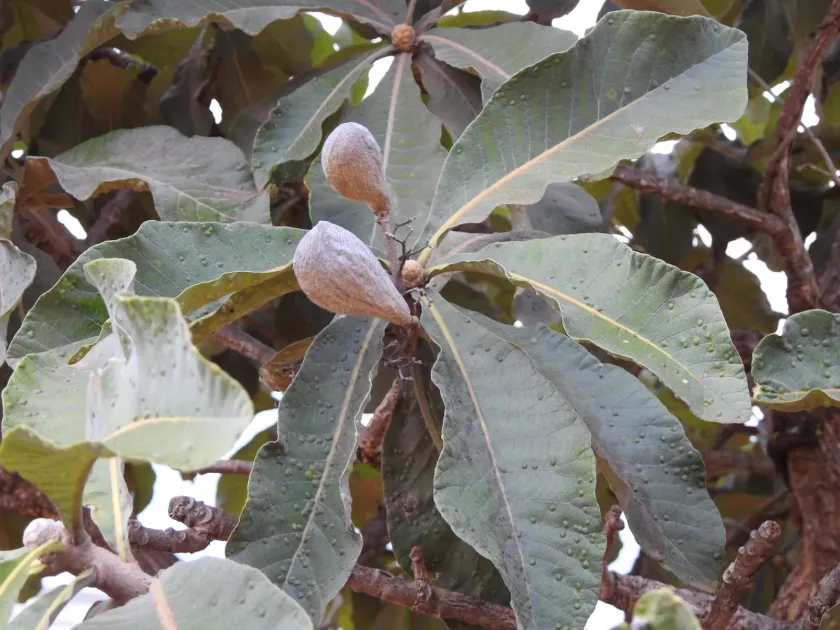
Description
Growing requirements
Aspidosperma tomentosum is a significant tree species belonging to the Apocynaceae family. Native to South America, particularly the cerrado regions, it is valued for both its ecological role and timber properties.
The plant thrives in deep, well-drained soils, showing remarkable resilience to nutrient-poor substrates. It is highly adapted to tropical climates with distinct wet and dry seasons.
Botanically, the species is distinguished by its tomentose (woolly/hairy) leaves, which provide a biological mechanism to minimize transpiration in high-heat environments.
Cultivation requires significant space and full sun exposure to maintain healthy development. It is rarely grown in intensive monocultures but is highly respected in agroforestry and sustainable logging projects.
The wood, known commercially as peroba, is highly durable, dense, and resistant to environmental weathering, making it a premium choice for high-end carpentry and construction.
Main diseases and pests
The primary threats to this species are habitat loss due to land conversion for agriculture and unsustainable harvesting practices in natural forests.
Pests such as wood-boring insects present a major challenge, as they can cause extensive damage to the tree's trunk, negatively affecting timber yield and quality.
Root rot caused by fungal pathogens is a risk in nurseries if the soil drainage is inadequate or if irrigation cycles are poorly managed.
In humid forest conditions, parasitic epiphytes or vines can sometimes compete with younger Aspidosperma trees for sunlight, requiring occasional maintenance.
Management of these trees often involves integrated pest control strategies to protect the long-term viability of the population against potential outbreaks.