
Aspidosperma rigidum
Aspidosperma rigidum
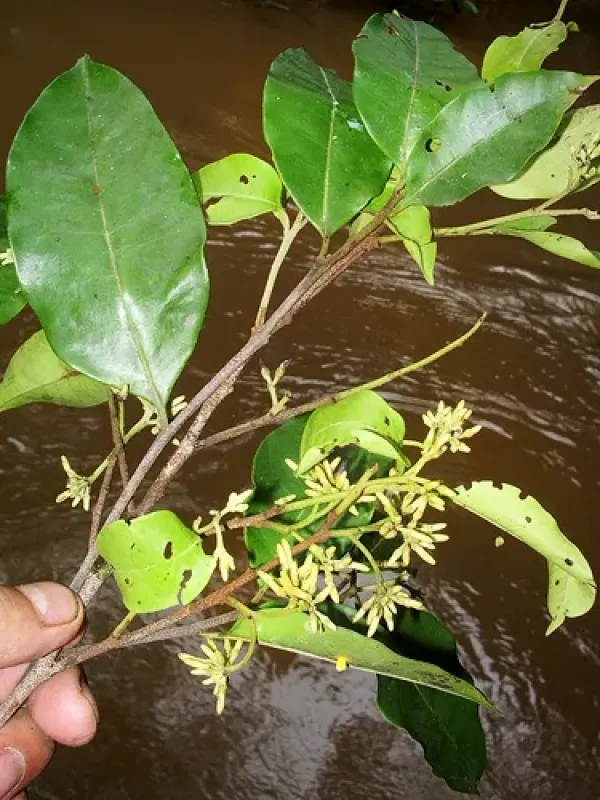
Description
Growing requirements
Aspidosperma rigidum is a woody plant species belonging to the Apocynaceae family. Native to the tropical forests of South America, this tree is well-adapted to specific regional conditions characterized by warm temperatures and humidity.
The tree thrives in well-drained, nutrient-rich soils. Successful cultivation requires a site with good soil aeration, as the root system is highly sensitive to waterlogging, which can lead to fungal infections and decline in growth.
Climate requirements include a stable tropical environment with consistent heat throughout the year. The species is sensitive to sudden drops in temperature and requires protection from frost, making it suitable only for specific agro-ecological zones.
Optimal growth is achieved in open, sunny areas where the tree can develop a straight, robust trunk. Proper spacing between trees is essential to ensure adequate airflow and light penetration, which are vital for healthy development.
Agricultural management involves early weeding and protection of young plants from competing vegetation. As the trees mature, they become more resilient, but maintaining soil health through mulch and organic amendments remains a key practice.
Harvesting
The primary economic use of Aspidosperma rigidum is for its high-quality timber. The wood is renowned for its significant density, hardness, and durability, making it an excellent choice for luxury furniture and construction.
Harvesting is typically conducted based on the maturity of the wood, which takes many years to reach a density suitable for high-end applications. Selective logging practices are generally preferred to preserve the overall forest structure.
After felling, the timber undergoes a careful drying process. This stage is critical to prevent checking and warping, as the dense nature of the wood requires a gradual reduction in moisture content to maintain structural integrity.
Beyond traditional timber use, researchers continue to study the chemical composition of the genus for potential applications in bio-industry. However, these prospects are secondary to the primary value of the wood as a durable material.
Sustainable harvesting ensures that the population of Aspidosperma rigidum is maintained. By replanting harvested areas, forestry managers balance economic production with ecological responsibility in tropical ecosystems.