
Aspidosperma quebracho-blanco
Aspidosperma quebracho-blanco
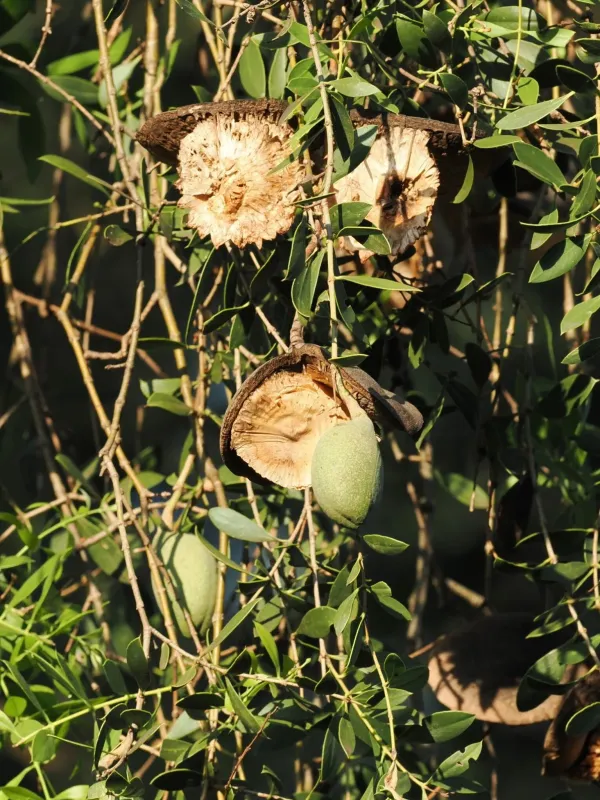
Description
Growing requirements
Aspidosperma quebracho-blanco is a distinctive tree species belonging to the Apocynaceae family, native to the diverse landscapes of South America, particularly the Gran Chaco region. It is a slow-growing evergreen tree that plays a crucial role in its local ecosystem.
The plant thrives in subtropical climates characterized by hot temperatures and distinct wet and dry seasons. It requires full sun exposure to reach its potential growth, being highly adapted to high-intensity solar radiation common in its native range.
Regarding soil requirements, the species prefers well-drained substrates, often flourishing in sandy or rocky soils where moisture accumulation is minimized. It is remarkably drought-tolerant, thanks to a deep, specialized root system.
Cultivation practices involve selecting sites with excellent drainage to prevent root rot. Young plants require initial protection and weed management, but as the tree matures, it becomes exceptionally hardy and resistant to local environmental stressors.
The tree exhibits slow vegetative development, which is a survival strategy in nutrient-poor soils. This slow growth rate is directly related to the extreme density and durability of the wood it produces over several decades.
Harvesting
The primary economic use of quebracho-blanco is its high-density timber, which is highly valued for construction, heavy-duty flooring, and tool handles. It is resistant to both decay and insect attacks, making it a sustainable choice for outdoor structures.
The bark of the tree is a significant source of alkaloids, primarily aspidospermine, which has historically been used in medicine for treating respiratory conditions. This necessitates careful harvesting to ensure the longevity of the individual tree.
Extractive industries utilize the wood and bark to obtain tannins, which are essential in the tanning of leather. This application has historically been one of the most significant economic drivers for the forestry sectors in the tree's native range.
Sustainability is a core focus in harvesting, with modern forestry management favoring selective logging rather than clear-cutting. This approach preserves the ecological health of the forest while providing high-quality timber and raw materials.
Final product processing includes advanced wood-working techniques for the timber and specialized chemical extraction methods for the pharmacological components found in the bark and wood tissues.