
Aspidosperma olivaceum
Aspidosperma olivaceum
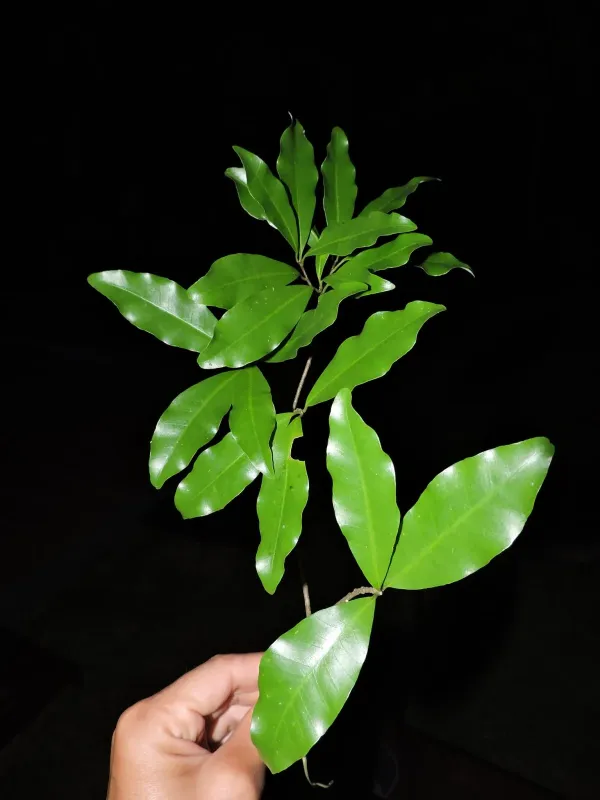
Description
Growing requirements
Aspidosperma olivaceum is a significant tree species belonging to the Apocynaceae family, native to the tropical forests of South America, specifically in Brazil.
This species thrives in humid tropical climates characterized by consistent temperatures, preferring environments that are free from severe frosts and prolonged dry spells.
It requires deep, fertile, and well-drained soils to support its substantial growth potential, as waterlogged conditions can be detrimental to the development of its root system.
Proper light management is crucial; while saplings may tolerate partial shade, the trees perform best in environments with adequate exposure to sunlight to develop high-quality timber.
Agricultural practices for this species focus on long-term forest management, given that Aspidosperma olivaceum is a slow-growing tree that requires patience and steady maintenance.
Main diseases and pests
Common threats to Aspidosperma olivaceum include various fungal pathogens that flourish in high-humidity tropical conditions, potentially affecting tree vigor and wood quality.
Pests such as wood-boring insects present a persistent challenge, particularly for mature stands where they can compromise the structural integrity of the timber.
Habitat loss and poor forest management practices represent significant threats to the natural range, necessitating strict adherence to conservation and plantation guidelines.
Integrated pest management, including monitoring and sanitation of the plantation site, is essential for maintaining the health of these trees during their long growth cycle.
The resilience of the species is largely determined by early life stage care, where protecting young trees from competition and pathogens is paramount for future success.
Harvesting
The primary economic value of Aspidosperma olivaceum lies in its high-quality wood, which is prized for its extreme hardness, durability, and resistance to environmental factors.
Its timber is widely utilized in professional woodworking, the manufacturing of high-end furniture, and for structural elements requiring exceptional mechanical strength.
Harvesting strategies must adhere to sustainable forestry practices to ensure the long-term viability of the species, as the rate of replacement is slower than that of fast-growing industrial crops.
Beyond construction, parts of the tree have been subject to scientific interest regarding their secondary metabolites, potentially holding value for the pharmaceutical and biochemical sectors.
Post-harvest processing of the timber requires careful drying and moisture control to prevent warping or cracking, given the dense nature of the wood fibers inherent to this genus.