
Aspidosperma desmanthum
Aspidosperma desmanthum
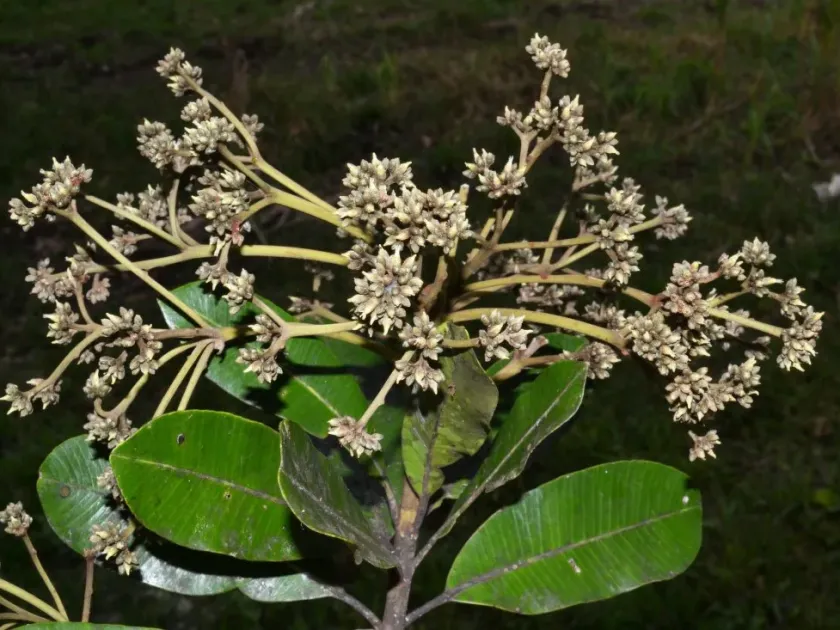
Description
Growing requirements
Aspidosperma desmanthum is a tropical evergreen tree belonging to the Apocynaceae family. Native to South America, it is a significant species in tropical rain forest ecosystems, known for its robust trunk and dense canopy structure.
The tree requires specific soil conditions for optimal growth, specifically deep, well-drained soils rich in organic matter. While it thrives in tropical moisture, it does not tolerate waterlogged areas where root respiration may be inhibited by excessive soil saturation.
Climate requirements for this species include consistent high temperatures throughout the year and a tropical rainfall pattern. It is highly sensitive to frost and sudden temperature drops, which makes it suitable only for specific agro-climatic zones.
In terms of light exposure, the species is classified as light-demanding at maturity. However, saplings show a degree of shade tolerance, which is essential for survival in the competitive understory environment of their natural habitat.
Agricultural management for this species involves careful site preparation and weed control. During the initial growth phase, the tree is vulnerable to competitive vegetation, requiring periodic maintenance to ensure rapid vertical growth and prevent stunted development.
Yield
The primary agricultural objective of cultivating Aspidosperma desmanthum is the production of high-quality hardwood. This wood is highly valued in the global market for its density, durability, and resistance to natural decay, making it suitable for high-end construction.
Yield estimation is calculated based on standing timber volume per hectare at the point of harvest. Given that the species is a slow-growing hardwood, long-term forest management plans are necessary to ensure a sustainable rotation cycle.
Beyond timber, the species is recognized for its biochemical properties. Various parts of the plant, including the bark, are studied for potential medicinal applications, contributing to the overall economic value of the plantation.
Optimizing the harvest involves systematic thinning of the stand to encourage the growth of the healthiest and straightest trees. This practice significantly enhances the commercial value of the final timber output compared to unmanaged forest stands.
Technological improvements in seedling production and genetic selection allow for more efficient plantation establishment. These methods help in reducing the maturity time and increasing the overall resilience of the crop against environmental stressors.