
Aspidosperma cylindrocarpon
Aspidosperma cylindocarpon
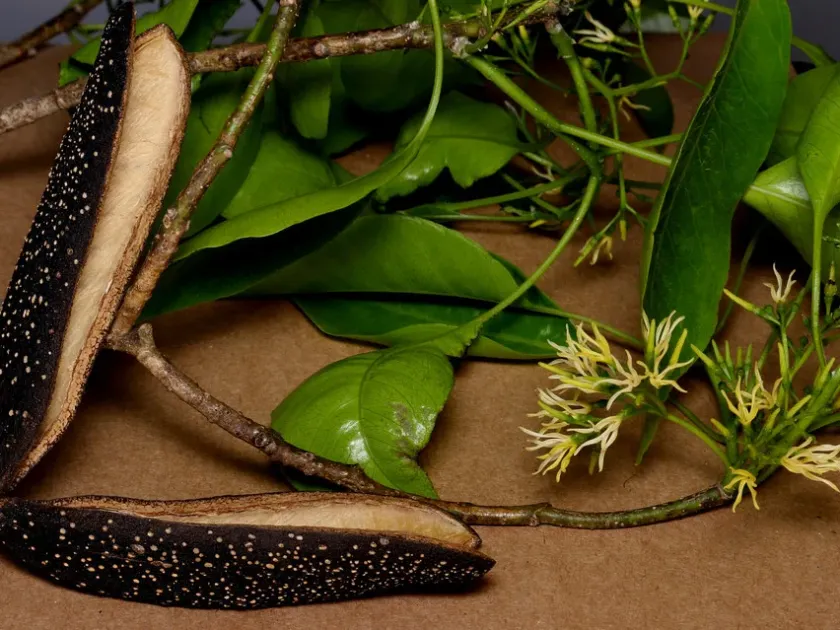
Description
Growing requirements
Aspidosperma cylindrocarpon is a member of the Apocynaceae family, known for its significant timber properties and ecological role in South American seasonal forests. This tropical species is native to countries like Brazil, where it thrives in diverse forest habitats.
The tree requires well-drained, fertile soil and prefers regions with distinct wet and dry seasons. Proper soil texture is essential for the healthy development of its root system, preventing waterlogging which is detrimental to growth.
Botanically, it is characterized by a sturdy trunk and dense, high-quality wood that is highly valued by craftsmen and the furniture industry. The leaves are evergreen and leathery, allowing the tree to withstand prolonged periods of drought.
In terms of propagation, the species relies on wind-dispersed seeds equipped with wings. In forestry practice, seed selection and proper storage are critical to achieving high germination rates during the nursery phase.
Economic importance includes its use in high-end construction and furniture design due to the wood's durability. Additionally, certain extracts from the bark and roots are historically significant in traditional pharmacology and continue to be studied for medicinal use.
Main diseases and pests
Habitat loss due to large-scale land clearing remains the most significant threat to the survival of natural stands. Sustainable management practices are required to ensure the long-term viability of the species in its native ecosystems.
Fungal pathogens represent a primary risk in nursery settings, particularly when humidity levels remain too high. Effective drainage and pathogen control programs are essential for preventing the spread of diseases among seedlings.
Xylophagous insects pose a danger to mature trees by burrowing into the timber and compromising the structural integrity of the wood. Regular monitoring and integrated pest management are necessary to protect valuable timber stands.
Wildfires in the tropical regions are a major concern, as they can destroy both the canopy and the understory vegetation. Creating firebreaks and implementing surveillance measures are key strategies for protecting the crop.
Invasive species can compete with young Aspidosperma cylindrocarpon saplings for water and sunlight. Maintenance activities, such as clearing competing vegetation, are vital for securing the survival of young plantings until they are fully established.