
Aspidosperma cruentum
Aspidosperma cruentum
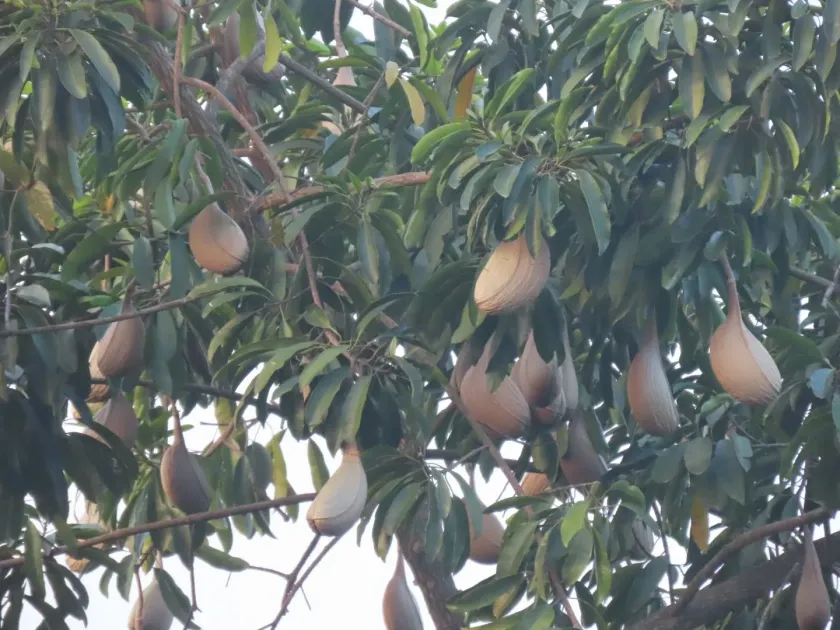
Description
Growing requirements
Aspidosperma cruentum is a prominent tropical tree species belonging to the Apocynaceae family. It is native to the primary and secondary tropical forests of Central America, predominantly found in countries such as Belize, Guatemala, Honduras, and Mexico, where it thrives under specific ecological conditions.
The species requires a humid tropical climate with consistent rainfall throughout the year and high average temperatures. It is not adapted to regions with prolonged dry seasons or significant temperature fluctuations, which makes its cultivation site selection critical for optimal development.
Regarding soil requirements, the tree prefers deep, well-drained, and nutrient-rich soils. It does not tolerate waterlogging, which often leads to root rot and other physiological stressors; therefore, it is best suited for sites with good internal drainage, such as well-aerated loams or clayey soils.
Botanically, Aspidosperma cruentum develops a straight, cylindrical trunk, which is highly desirable for timber production. The growth rate is relatively slow, a common characteristic among many tropical hardwoods, requiring patience and a long-term management strategy for successful plantation development.
Agronomic practices focus on sustainable forest management and the careful tending of seedlings. During the early stages of growth, it is essential to minimize competition from weeds and fast-growing pioneer species to ensure that the trees obtain sufficient nutrients and sunlight for steady development.
Yield
The primary economic value of this culture lies in its high-quality timber. The wood is recognized for its density, hardness, and durability, making it a sought-after material for high-end furniture, fine cabinetry, flooring, and decorative interior applications.
Yield estimation is tied to the long-term cycle of plantation growth. Because the tree requires decades to reach maturity, the management of these plantations focuses on continuous forest cover and selective harvesting, which ensures the sustainability of the timber supply over time.
In addition to its timber, research into the genus Aspidosperma suggests the presence of various alkaloids in the bark and leaves. These compounds are of interest to the pharmaceutical industry, providing potential secondary value beyond traditional wood harvesting.
Harvesting efficiency is optimized through selective logging practices that protect younger trees and allow for natural regeneration within the plantation area. This approach reduces soil disturbance and helps maintain the health of the surrounding ecosystem.
Quality control in timber production is achieved by using certified seeds and managing plant spacing. By optimizing the density of the stand, forestry managers can reduce branch development on the lower trunk, resulting in a cleaner and more valuable timber product at the time of final harvest.
Main diseases and pests
The species faces pressure from various pests, particularly wood-boring insects that can damage the trunk and lower the commercial quality of the wood. Regular monitoring and integrated pest management are necessary to prevent localized outbreaks from turning into significant losses.
Fungal diseases are a major concern in tropical environments, especially those associated with high humidity and poor airflow. These pathogens can cause leaf spots, root infections, and cankers that stunt growth and reduce the overall vitality of the plantation trees.
Environmental threats, including deforestation and the degradation of natural habitats, pose a significant risk to the genetic diversity of the species. Furthermore, climate change impacts, such as unpredictable weather patterns, can negatively affect the tree's natural resilience to disease.
Prevention strategies involve maintaining optimal stand density to ensure adequate air circulation, which helps manage humidity levels within the tree canopy. Sanitation logging, where diseased individuals are removed early, is a standard practice to mitigate the spread of pathogens.
Integrated forest health management requires a balanced approach. By selecting sites with excellent soil drainage and ensuring the correct microclimatic conditions, the risk of fungal infections and pest infestations is significantly lowered without over-reliance on chemical controls.