
Aspidosperma album
Aspidosperma album
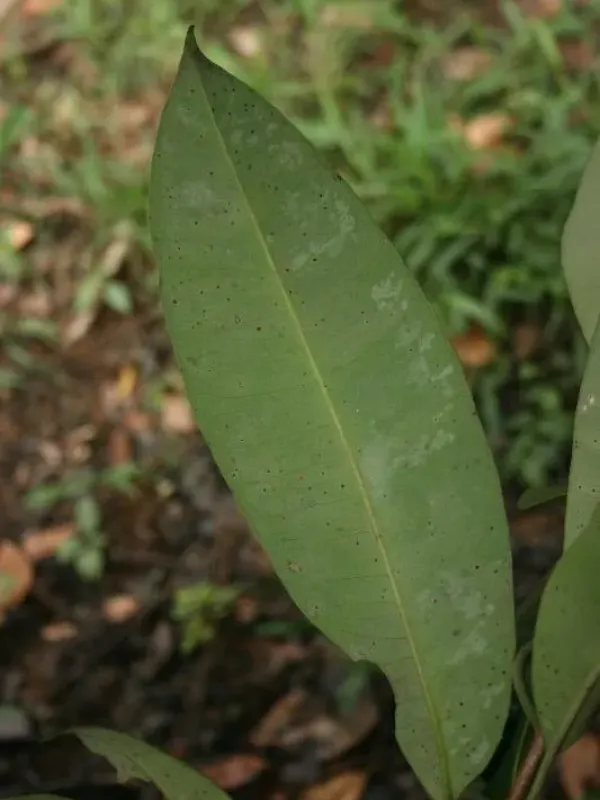
Description
Growing requirements
Aspidosperma album is a notable tropical tree species belonging to the Apocynaceae family. This species is recognized for its impressive height and the high-quality wood it produces, which is valued globally in the timber industry for its durability and aesthetic appeal.
The native range of this species is spread across the tropical rainforests of South America, including countries like Brazil and French Guiana. It thrives in deep, fertile soils that provide excellent drainage, typically found in high-moisture tropical ecosystems.
Climatic requirements are strict: the tree requires a constant warm climate with minimal temperature fluctuations throughout the year. It does not possess tolerance for cold temperatures, making it unsuitable for cultivation outside of strictly tropical zones.
Cultivation practices involve managing canopy light levels during the initial stages of tree development. While mature trees are robust, saplings require consistent environmental parameters and protection from extreme weather events to ensure uniform growth.
Industrially, the wood of Aspidosperma album, often referred to commercially as peroba wood, is highly prized. Its density and uniform grain make it an excellent choice for luxury furniture, high-end construction, and fine carpentry projects.
Yield
The yield of timber is measured by the growth rate of the trunks in plantation settings. As a slow-to-moderate growing species, the harvest cycle is carefully managed by foresters to ensure sustainable yields over decades of continuous monitoring.
Main diseases and pests
The species faces threats from various tropical wood-boring insects and termites that can degrade the quality of the timber. Additionally, soil-borne fungi can pose a risk in plantations if water management is insufficient, leading to root decay.