
Plumier-leaf milkweed
Asclepias plumierifolia
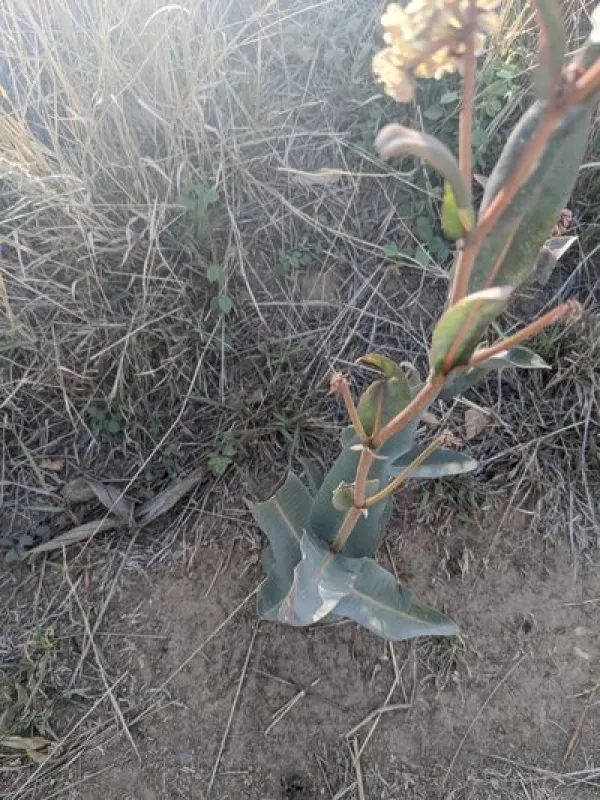
Description
Sowing dates
Sowing of Plumier-leaf milkweed is typically performed in the spring season when soil temperatures reliably reach 12–15°C, usually in late April or early May.
Seeds require a period of cold stratification to overcome physiological dormancy, which significantly improves the rate and uniformity of germination.
The optimal planting depth is 2–3 centimeters, as burying the seeds too deep can prevent the emergence of shoots, while shallow planting risks desiccation.
Row spacing should be maintained between 45 and 60 centimeters to facilitate mechanical cultivation and ensure sufficient light penetration for the plants.
Maintaining proper plant density is critical for optimizing the development of the stems, which are the primary target for fiber production.
Growing requirements
This species belongs to the Apocynaceae family and is characterized by a robust perennial root system that can survive for multiple years.
The plant thrives in sunny, open locations with well-drained, fertile soil, ideally ranging from sandy loam to light clay textures with good aeration.
While the crop is known for its remarkable drought tolerance once established, consistent moisture during the early vegetative phase improves biomass yield.
The ideal soil pH for this culture falls between 6.0 and 7.5, which allows the plant to efficiently access available soil nutrients throughout the season.
Waterlogged conditions must be avoided at all costs, as the root structure is sensitive to hypoxia and prolonged exposure to stagnant water will lead to rot.
Yield
The main commercial value of this species lies in its high-quality bast fibers, which are extracted from the stalks for various textile applications.
Under optimal agronomic conditions, biomass yields can reach 6–8 tonnes per hectare, providing a consistent source of raw material for industrial use.
The seeds are also highly productive and serve as a source for specialized oils, which are utilized in the paint, varnish, and cosmetic manufacturing sectors.
Because the plant is a perennial, the cost of replanting is minimized, making it an economically sustainable option for fiber producers over the long term.
Productivity remains stable across successive harvest years, provided that nutrient management is addressed and the soil structure is properly maintained.
Main diseases and pests
The species possesses natural defense mechanisms, including toxic milky sap, which makes it resistant to many common agricultural insect pests.
Weed competition represents the primary threat during the establishment phase, making early-season mechanical or chemical control measures necessary.
Fungal pathogens can occasionally affect the roots if the soil drainage is inadequate, leading to plant decline and yield loss in wet field patches.
Aphid populations may occur during the flowering stage, acting as potential vectors for viruses that could impact the long-term health of the plantation.
Integrated pest management, focusing on proper drainage and rotational strategies, is essential to minimize the risk of disease and ensure plant vigor.
Harvesting
Harvesting the stems for fiber is best performed during the peak flowering stage, which ensures the highest cellulose content and best fiber quality.
Mechanical harvesting is typically done using modified combines that can handle heavy stems, effectively cutting and gathering the biomass in one pass.
Once cut, the biomass is usually field-dried to reduce moisture content, which is a necessary step before processing the stalks into raw fiber material.
Seed harvesting should be timed to coincide with the onset of capsule splitting to prevent significant losses in the field due to natural seed dispersal.
Post-harvest cleaning is necessary to separate the seeds from debris, followed by storage in well-ventilated conditions to maintain long-term seed viability.