
White milkweed
Asclepias nivea
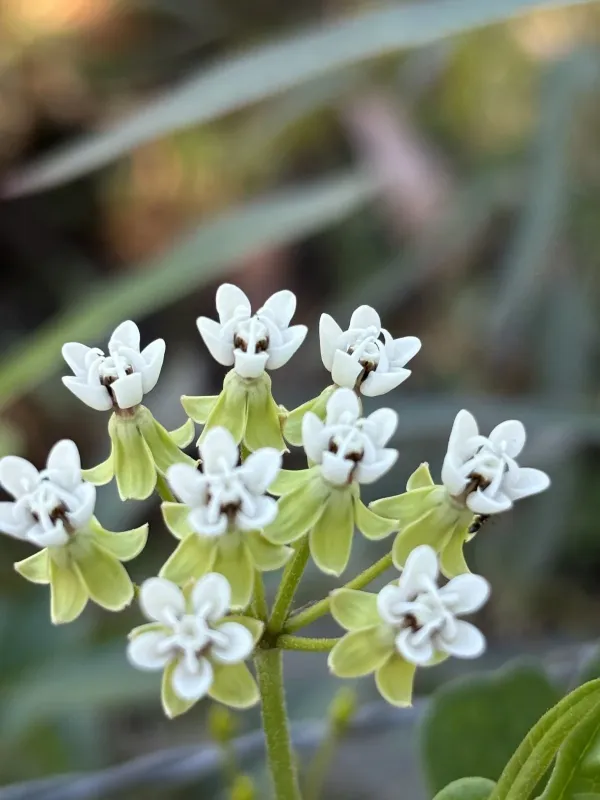
Description
Sowing dates
White milkweed (Asclepias nivea) is a perennial herbaceous plant belonging to the Apocynaceae family. When cultivating this crop, seeds should be sown in early spring once the soil temperature has consistently risen above +10°C.
To maximize germination, seeds require a cold stratification period of 30 to 60 days. This pretreatment mimics natural winter conditions, significantly breaking seed dormancy and improving emergence rates in the field.
Sowing depth should be kept shallow, approximately 1 to 2 centimeters, to allow adequate light exposure for the seeds. Consistent moisture levels during the germination phase are vital for achieving uniform plant stands.
For intensive production, starting seeds in seedling trays 6 to 8 weeks before the last frost date is recommended. This practice ensures robust plant development and maximizes the productivity of the first growing season.
Proper spacing is crucial for plant health; maintaining row intervals of 45 to 60 centimeters provides sufficient airflow and reduces competition for nutrients between individual plants.
Growing requirements
Asclepias nivea is a photophilous plant native to tropical environments, thriving best in full sun exposure. Choosing an open, sunny site is essential to promote vigorous branching and maximize foliage yield.
The plant prefers well-drained, sandy or loamy soil textures. It is highly sensitive to waterlogged conditions, which can lead to root rot; therefore, ensuring high soil permeability is a primary agronomic requirement.
Optimal growth occurs at temperatures between +20°C and +28°C. While the species is somewhat heat-tolerant, providing consistent moisture during prolonged dry spells is beneficial for maintaining tissue quality.
The soil pH should ideally remain within the neutral to slightly acidic range. Regular soil testing and balanced fertilization with phosphorus and potassium help sustain long-term fertility and plant vigor.
In regions with colder climates, the plant may require winter protection, such as mulching the root zone, to prevent frost damage to the perennial rootstock during dormant winter months.
Main diseases and pests
Aphids are the most common pests affecting Asclepias nivea, often congregating on terminal shoots and flower buds. Early detection and the application of systemic insecticides are critical for effective control.
Powdery mildew is a significant fungal threat, especially in humid conditions with poor air circulation. Increasing plant spacing and removing debris can help minimize the risk of pathogen spread.
Root rot caused by Phytophthora or Pythium species is a major concern in poorly drained soils. Managing irrigation frequency and improving soil structure are the best preventive strategies against these pathogens.
Spider mites may infest foliage during hot, arid periods, causing chlorosis and reduced photosynthetic efficiency. Application of appropriate acaricides should be considered if infestation levels exceed economic thresholds.
Weed management is paramount, particularly during the establishment phase, as young milkweed plants lack the competitive vigor to suppress surrounding weeds, which can severely stunt their initial development.