
Milkweed
Asclepias mellodora
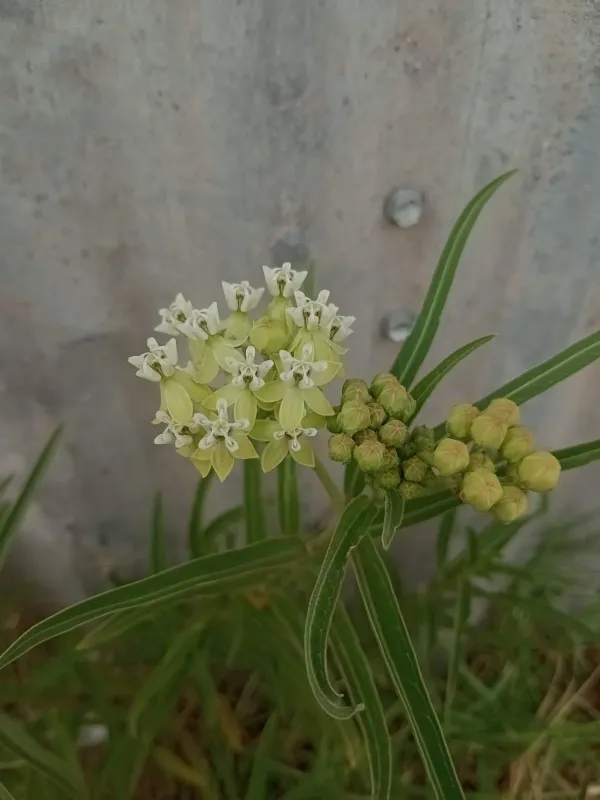
Description
Sowing dates
Milkweed (Asclepias mellodora) is a perennial herb of the Apocynaceae family. Sowing is typically conducted in the spring when soil temperatures reach 15 degrees Celsius.
The seeds require stratification to break dormancy and ensure uniform germination. Planting is performed in rows spaced 45 to 60 centimeters apart to allow for proper plant development and airflow.
Seed depth should be maintained at approximately 2–3 centimeters. In lighter soil types, seedlings emerge within three weeks, provided that moisture levels are consistently managed during the initial stage.
Early-stage weed management is critical, as milkweed displays slow initial growth. Once established, its aggressive root system allows it to effectively compete with surrounding vegetation.
Propagation can also be achieved via root division in early autumn. This method is often preferred for establishing large fields quickly, ensuring the plant adapts before the winter frost sets in.
Growing requirements
This crop thrives in sunny locations with well-drained, sandy, or loam soils. It is highly intolerant of waterlogged conditions, which can lead to rapid root rot and plant mortality.
The plant is highly drought-tolerant, making it a robust choice for regions with limited rainfall. An optimal soil pH range between 6.0 and 7.5 supports vigorous growth and nutrient uptake.
Milkweed exhibits strong cold hardiness, surviving harsh winter conditions across many climate zones. It responds well to phosphorus-based fertilizers applied during the late spring growth phase.
A sheltered site protected from harsh, cold winds helps the plant concentrate nectar production in its blooms. Given its invasive nature, milkweed should be grown in designated areas to prevent encroachment.
The plant acts as an excellent soil stabilizer due to its extensive network of roots. It contributes to soil structure improvement over long-term cultivation cycles of 10 years or more.
Yield
The primary agricultural value of milkweed is its status as a high-quality honey plant. The floral nectar is highly attractive to bees and produces a mild, sweet-scented honey variety.
The stems of the plant provide natural fibers that have historical and industrial significance. Research is ongoing regarding the efficient extraction of these fibers for textile use.
Milkweed is also investigated for its latex content, which can be extracted from the milky sap. This potential source of bio-based materials offers interesting prospects for green manufacturing.
The plant biomass is a significant source of organic matter. When incorporated back into the soil at the end of the season, it improves nutrient cycling and soil fertility.
Optimal yield performance is achieved after the third year of growth. At this stage, the plant colony is fully mature, providing maximum nectar volume and biomass for harvest.
Main diseases and pests
Milkweed has natural defenses in the form of cardiac glycosides in its sap, which deter many generalist pests. However, it can still be susceptible to specific aphids and milkweed bugs.
Powdery mildew is the most common fungal threat, particularly in humid climates with poor air circulation. Managing plant density and ensuring proper drainage helps reduce these infections.
Root rot occurs primarily in soils with poor drainage. Site selection must prioritize well-aerated substrates to maintain plant health throughout the season.
Chemical intervention is discouraged to preserve the health of local pollinator populations. Integrated pest management (IPM) focusing on biological control is the industry standard for this crop.
Early detection through frequent field inspections allows for the mechanical removal of diseased parts. This proactive approach keeps the plant population healthy and productive without harsh chemicals.