
Asclepias cinerea
Asclepias cinerea
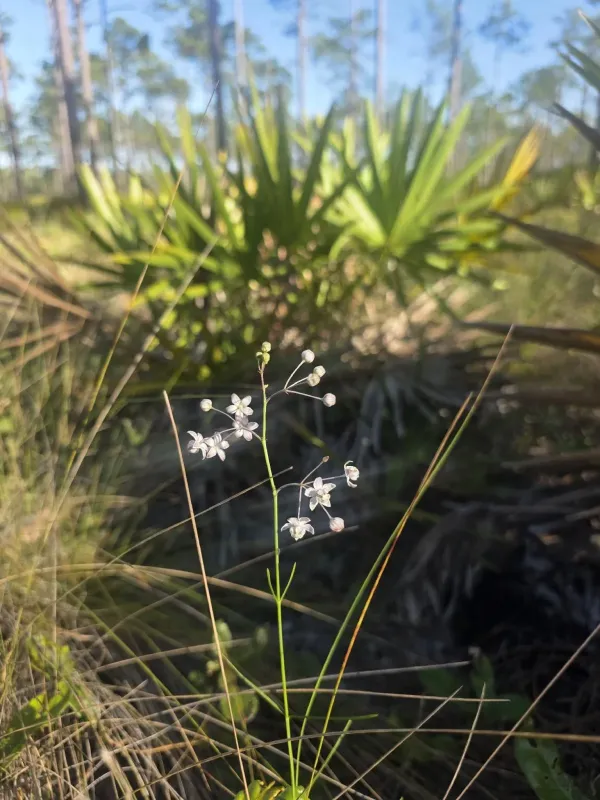
Description
Sowing dates
Asclepias cinerea, commonly known as gray milkweed, belongs to the Apocynaceae family. As an industrial-interest species, successful establishment requires attention to seed quality and pre-sowing treatment.
The optimal sowing time is in spring, once the soil temperature consistently reaches at least 15 degrees Celsius. Ensuring the ground is warm facilitates faster and more uniform germination.
Seeds should be sown at a depth of approximately 2 to 3 centimeters. Proper soil-to-seed contact is essential to prevent desiccation during the critical early stage of radical emergence.
Spacing between rows should range from 45 to 60 centimeters. This row spacing is designed to allow for mechanical cultivation and weed control during the establishment phase.
Being a slow-growing perennial in its first year, the crop focuses on establishing deep root structures. Farmers should prioritize early-season weed management to prevent competition during this period.
Growing requirements
This species thrives in well-drained, sandy, or light loam soils. It is particularly adapted to sites where internal water drainage is excellent, preventing root rot.
Full sun exposure is mandatory for maximum productivity. Any degree of shading significantly reduces biomass accumulation and the potential quality of plant fibers.
While mature plants show significant drought tolerance due to their deep-reaching roots, regular moisture during the vegetative growth phase is required for optimal yields.
Soil pH should remain within the 6.0 to 7.0 range. In areas with highly acidic soils, amendments like lime should be applied well in advance of the planting cycle.
Temperature sensitivity is a key factor; the plant is dormant during winter, with all above-ground growth senescing after the first killing frost of the season.
Main diseases and pests
Aphids are the most common pests associated with the genus Asclepias. They primarily infest tender growth and floral tissues, which can lead to stunted development if uncontrolled.
Fungal leaf spots represent a common pathology, typically appearing in periods of high humidity or poor air circulation within the plant canopy.
Root system decline occurs frequently in waterlogged soils. Ensuring the soil has adequate porosity is the primary method of preventing soil-borne pathogens.
Weevils may cause localized damage to foliage. Regular field scouting is recommended to assess the threshold for intervention and maintain plant vigor.
Viral infections transmitted by insect vectors can compromise crop health. Maintaining clean fields and managing weed hosts nearby are essential agricultural practices.