
Asclepias candida
Asclepias candida
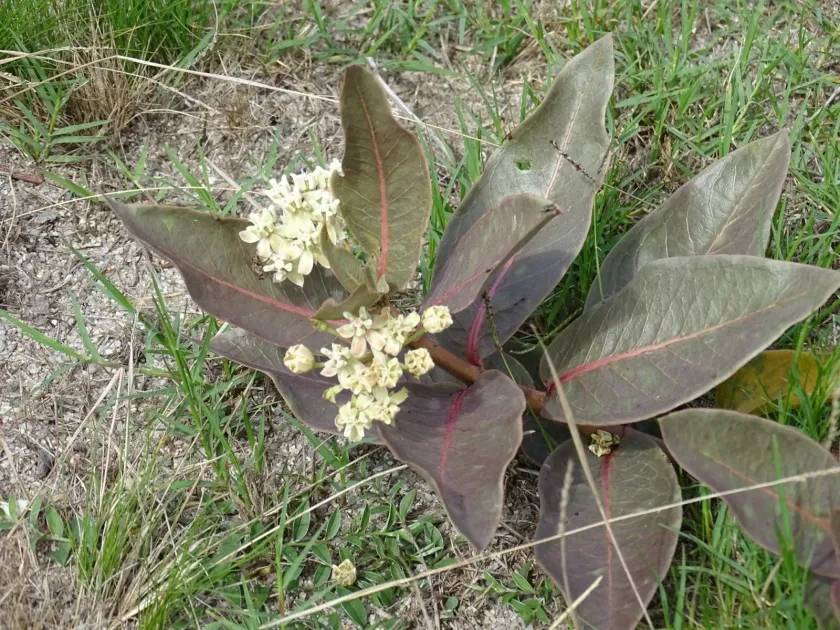
Description
Sowing dates
Sowing of Asclepias candida seeds is recommended in the spring period when soil temperatures reach 12–15 degrees Celsius. Seeds require a cold stratification period of 30–60 days to break dormancy and ensure uniform emergence in the field.
In industrial farming, seeds are sown in rows with a spacing of 45 to 60 centimeters. The seeding depth should be 2–3 centimeters, ensuring firm contact between the seed and the soil to promote adequate moisture uptake.
During the first year of growth, the crop develops slowly, primarily focusing on root system establishment, which necessitates diligent weed control during the early vegetation stages. An optimal plant density is approximately 100,000 to 150,000 plants per hectare.
Autumn sowing is possible in southern regions, but it carries a risk of winterkill if there is no snow cover. Selection of a field site should avoid low-lying areas where standing water may occur, as waterlogging is detrimental to the seeds.
Since Asclepias candida is a perennial plant, planning for long-term land use is essential, as the plantation can remain productive for up to 10 years. Re-sowing should only occur after the complete removal of old rhizomes.
Growing requirements
The crop prefers well-lit sites with light sandy loam or loamy soils. Asclepias candida exhibits high drought tolerance once established, but it requires moderate moisture levels during the active growth phase.
Successful growth requires fertile soil with a neutral to slightly acidic pH. The plant is sensitive to compacted soils and high water tables, both of which can lead to root system decay and poor plant vigor.
Phosphorus-potassium fertilizer complexes, applied during primary tillage, are optimal for growth. Nitrogen fertilizers should be used sparingly during the period of intensive biomass accumulation to avoid excessive nitrate storage.
Climate requirements match the temperate zone. While the plant possesses significant cold hardiness, protecting rhizomes from severe freezing in snowless winters through mulching or snow-trapping techniques is recommended.
Asclepias candida responds well to inter-row cultivation, which promotes aeration of the root system. During the first two years, at least 3–4 cultivations per season are advised to prevent weed competition.
Yield
Raw material yield (stems and leaves) depends heavily on the age of the plantation and soil fertility. By the second and third year of life, dry biomass yields can range from 5 to 8 tons per hectare under optimal conditions.
The seed productivity is also considerable: with proper insect pollination, it is possible to harvest 300–500 kilograms of high-quality seed material per hectare of land.
The primary value of the crop lies in its fiber, which constitutes 15–20 percent of the stem mass. The quality of this fiber is comparable to premium flax or hemp, making biomass collection a strategic industrial objective.
The plantation reaches peak efficiency between the 4th and 6th year of operation, after which biological productivity gradually declines. Annual fertilization and stand density management are required to maintain stable yields.
Harvesting is typically conducted during the mass flowering phase, when the concentration of useful compounds in the stems is at its peak. Yield is also influenced by local pollinator populations, as the crop is entomophilous.
Main diseases and pests
Asclepias candida is susceptible to aphid infestations, which congregate on young shoots and flower heads, weakening the plant. Systemic insecticides can be used during periods of low pollinator activity to mitigate damage.
Root rot is the most dangerous disease, particularly in overly wet soil conditions. Prevention involves careful site selection and crop rotation to avoid fields with high concentrations of soil-borne pathogens.
Foliar leaf spots caused by fungal organisms can reduce photosynthetic capacity. If symptoms are detected, treatment with copper-based fungicides or biological alternatives is recommended.
Persistent weeds present a significant threat during the first years of the crop, especially perennial rhizomatous species. Weed management is best handled via selective herbicides or mechanical cultivation methods.
- Spider mites during prolonged dry spells.
- Phytophthora blight under poor drainage conditions.
- Powdery mildew in overcrowded stands.
- Stem nematodes in heavy, poorly aerated soils.
Harvesting
Harvesting of the above-ground biomass is carried out mechanically using shredder-mowers. The ideal window is the flowering phase, before seed set, to ensure the highest fiber quality within the stems.
Following harvest, biomass undergoes primary processing: drying and separation of fiber from the woody pith. Strict moisture control during storage is necessary to prevent mold development.
Seed harvesting is conducted when fruit pods reach full maturity. Timing is critical, as the pods dehisce quickly and the seeds, which are equipped with pappi (parachutes), disperse rapidly via wind.
Seeds are separated from the down using specialized separators or winnowing machines. The final product must be dry and free of debris to ensure long-term viability and storage stability.
After the harvest is complete, deep discing of the field is recommended to remove debris, unless the field is slated for renewal through traditional tilling and reseeding methods.