
Asclepias burchellii
Asclepias burchellii
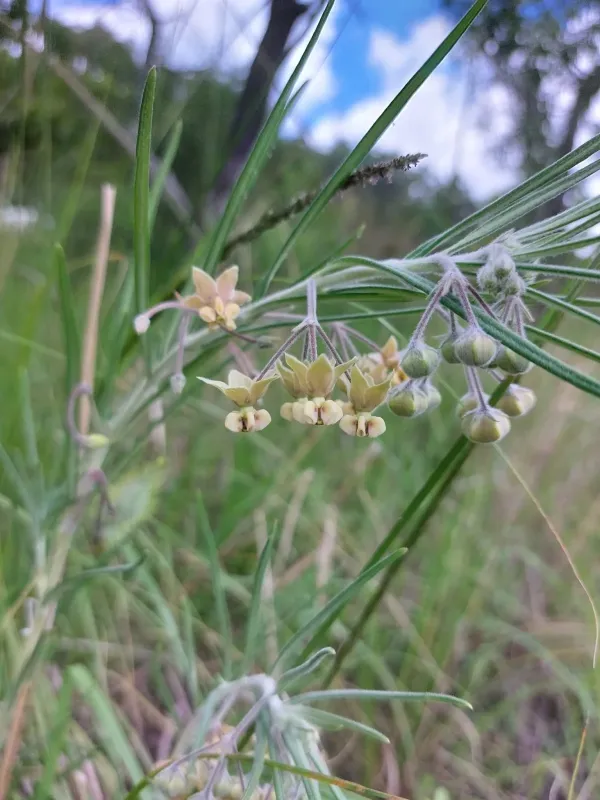
Description
Growing requirements
Asclepias burchellii is a perennial herbaceous species belonging to the Apocynaceae family. Native to the southern regions of Africa, this plant is well-adapted to environments that experience distinct seasonal variations in rainfall and sunlight intensity.
The cultivation of this species requires well-drained, sandy or loamy soils. Proper drainage is the most critical factor, as stagnant water significantly increases the risk of root rot and other moisture-related pathogens, which the plant is highly susceptible to.
This crop thrives in full sun exposure. It is essential to choose planting sites that receive direct sunlight for the majority of the day to ensure healthy development of the stems and to stimulate the metabolic processes within the plant tissue.
In terms of agricultural management, the species shows a strong preference for soils with balanced mineral content. Periodic application of phosphorus and potassium-based fertilizers helps to maintain sturdy growth and optimizes the plant's natural resistance to environmental stressors.
The botanical structure of the plant includes lanceolate leaves and a milky sap, which is a classic feature of the Asclepias genus. Proper spacing during planting is necessary to facilitate good airflow, which is vital for the overall vigor of the crop stands.
Main diseases and pests
The primary agricultural threats to Asclepias burchellii include infestations by aphids. These pests frequently colonize the tender tips and flowers, potentially vectoring viruses and weakening the plant's overall structural integrity over time.
Fungal diseases, particularly those affecting the root system, are a common issue in overly humid climates or compacted soils. Implementing a sound irrigation strategy is the most effective preventative measure against these pathogens.
Soil-borne pests such as nematodes can be particularly damaging to the crop, as they hinder the root's ability to uptake water and essential minerals. Soil analysis and sterilization before planting are recommended practice in high-intensity agriculture.
Weed control is also paramount for young plants, as they compete for light, water, and nutrients. Mechanical weeding should be done carefully to avoid damaging the shallow, sensitive root system of the Asclepias specimens.
It is important for growers to acknowledge the toxic nature of the plant due to its cardiac glycosides, which makes it unsuitable for pastures where livestock might graze. Safety protocols must be observed when handling the plant to avoid skin and eye irritation.