
Green antelope horn
Asclepias asperula
Description
Sowing dates
Sowing green antelope horn is most successful in the spring after the soil has thoroughly warmed up. The seeds typically require a period of stratification to break dormancy and ensure uniform germination across the field.
Seeds should be planted at a shallow depth of approximately 1–2 cm. Because the seeds are small, precise planting depth is critical to prevent the emerging sprouts from being exhausted before reaching the surface of the soil.
Row planting is recommended for this crop to allow for mechanical weed control. Keeping the rows clean of competing weeds is essential during the first year, as the plant grows slowly while establishing its root system before producing significant top growth.
Seeding rates should be determined based on the germination testing of the batch to achieve the desired plant density. Proper spacing ensures adequate airflow, which is necessary to prevent the development of fungal diseases in the maturing canopy.
In regions with mild winters, late autumn seeding can sometimes be practiced to take advantage of natural stratification, but spring remains the most reliable window for ensuring strong, healthy establishment in agricultural settings.
Growing requirements
Green antelope horn (Asclepias asperula) is a member of the Apocynaceae family. Native to the arid regions of North America, this perennial plant is well-adapted to life in dry prairies, open woodlands, and rocky slopes where other vegetation struggles to thrive.
The crop is highly drought-tolerant, requiring well-drained, lean soils to prosper. It does not tolerate waterlogging, which can quickly lead to root rot and plant mortality. It thrives in full sun, making it ideal for open, well-ventilated agricultural sites.
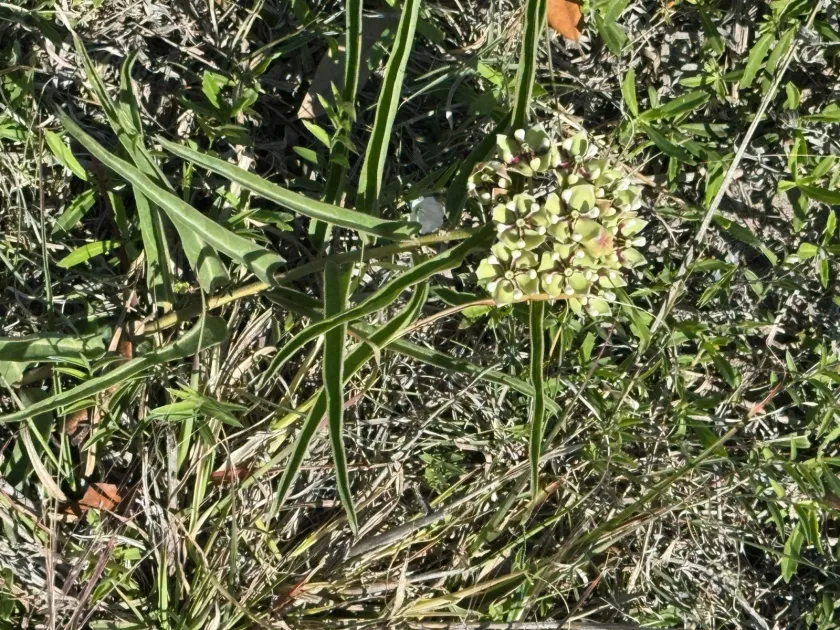
Botanically, it is characterized by its distinct, rough-textured stems that grow up to 60 cm in height. Its inflorescences form dense umbels that serve as a crucial food source for various pollinators, particularly butterflies, which play a vital role in its ecosystem.
The plant features a deep taproot system, an adaptation that allows it to access moisture and nutrients deep within the soil profile. This feature makes it particularly resilient during periods of extreme heat and prolonged dry spells in its native climate range.
Green antelope horn is considered an interesting candidate for low-input cultivation. Its ability to produce biomass in harsh, arid environments offers potential value for specialized agricultural programs focusing on sustainable land management.
Main diseases and pests
The primary threats to Asclepias asperula in agricultural settings include root rot pathogens. These thrive in overly moist conditions, so proper soil management and field selection are the most effective defenses against these soil-borne diseases.
Aphids represent the most significant pest risk. These insects feed on the succulent parts of the plant and can cause damage to the flowering structures. They may also serve as vectors for various plant viruses that stunt growth and reduce yields.
Effective pest management involves regular scouting throughout the growing season. If aphid populations exceed the economic threshold, targeted biological or chemical controls can be employed to protect the crop without disrupting beneficial insect activity.
Weed management is not only important for nutrient competition but also for sanitation. Many weed species harbor pathogens that can jump to the milkweed crop, so keeping the farm field clear of debris and invasive weeds is standard practice.
Finally, monitoring for signs of leaf spots and rusts is necessary in more humid years. Maintaining good spacing and ensuring optimal air circulation around the plants will significantly reduce the risk of epidemic outbreaks within the plantation.