
Venetian dogbane
Apocynum venetum
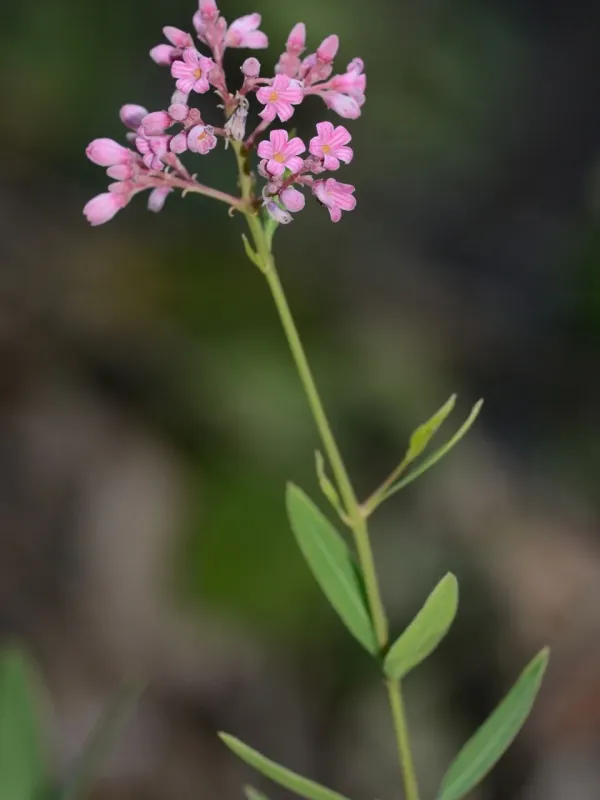
Description
Sowing dates
Venetian dogbane is primarily propagated through vegetative methods using root cuttings. Planting is best carried out in early spring once the soil temperature consistently reaches 8–10 degrees Celsius to ensure rapid rooting.
While seed propagation is possible, it is less common due to lower germination rates and the necessity of cold stratification. When using seeds, they should be sown in a prepared seedbed to ensure optimal soil moisture.
The planting depth for root segments ranges from 5 to 10 centimeters, depending on the soil texture. It is crucial to press the soil firmly around the roots to eliminate air pockets and promote successful establishment.
During the first year, the plant focuses on developing a robust root system. Therefore, maintaining row spacing of 60–70 centimeters is essential to minimize plant competition and allow for easier mechanical cultivation.
As a perennial crop, planning the plantation layout for the long term is vital. Sites should be carefully cleared of weeds and debris before planting to ensure the dogbane establishes without interference.
Growing requirements
Venetian dogbane belongs to the Apocynaceae family and is recognized as a hardy bast fiber crop. It is highly adapted to arid environments and exhibits remarkable tolerance for saline soil conditions.
The plant thrives in light, well-drained loamy or sandy soils. Waterlogging is detrimental to its health, often triggering root rot and stunted growth; therefore, adequate site drainage is a primary requirement.
Full sunlight is necessary for optimal development, so plantations should be situated in open areas. It is sensitive to shade and competition from other tall vegetation during its early growth stages.
The crop is highly resilient to temperature fluctuations, which is typical for its native habitats. However, during the early growth phase, young stems benefit from protection against strong winds.
While the plant is not overly demanding regarding soil fertility, supplemental application of nitrogen and potassium fertilizers during the first few years significantly enhances the biomass yield.
Yield
The economic value of Venetian dogbane lies in its high-quality bast fiber, which possesses properties similar to flax or nettle. Maximum fiber yield is achieved once the plantation reaches full maturity at age three.
Yields of green biomass can reach 50–80 centners per hectare under favorable management practices. The fiber content typically accounts for 15–20 percent of the total dry stem weight.
In addition to industrial fibers, the leaves and roots are harvested as valuable raw materials for the pharmaceutical industry due to the presence of various bioactive glycosides.
The overall productivity is largely dictated by the maintenance of a uniform plant stand. If the stand density drops significantly, weed encroachment becomes a major factor that reduces total yield per hectare.
Efficiency in harvesting and post-harvest processing is critical for maximizing profit. Using appropriate machinery reduces stem loss and ensures the quality of the raw fibers remains intact.
Main diseases and pests
Venetian dogbane is naturally resistant to many common agricultural diseases, making it a sustainable choice for fiber production. The most significant threat is root rot, usually caused by over-irrigation.
Pests, particularly aphids, can cause damage to tender growing tips during hot and dry spells. Integrated pest management and regular field monitoring are recommended to mitigate potential damage.
Fungal issues like rust may occur if humidity levels remain high and air circulation is poor within the field. Maintaining clean rows and proper spacing helps prevent the spread of such pathogens.
Weeds are the primary challenge in the first two years. Due to the plant's relatively slow initial growth, timely cultivation and selective weeding are essential to prevent the dogbane from being choked out.
Sanitary measures, such as removing diseased stems, should be performed immediately upon detection to ensure that infections do not spread to healthy parts of the crop plantation.
Harvesting
Harvesting for fiber is optimally timed during the mass flowering phase, as this is when the cellulose content in the stems is at its peak, providing the highest quality and most durable fiber.
The harvesting process involves mechanical mowing of the stems. After mowing, the material is usually allowed to field-dry for a short period before being collected for primary processing.
Leaves destined for medicinal use should be harvested just before the flowering stage when the concentration of bioactive secondary metabolites is at its highest level in the foliage.
Roots are harvested in late autumn or early spring when the plant is dormant. During this period, the plant stores the maximum amount of active compounds in its subterranean organs.
Proper drying of the harvested material is essential to prevent mold and ensure the longevity of the fibers. Storage should take place in well-ventilated sheds away from direct moisture.