
Indian hemp
Apocynum cannabinum
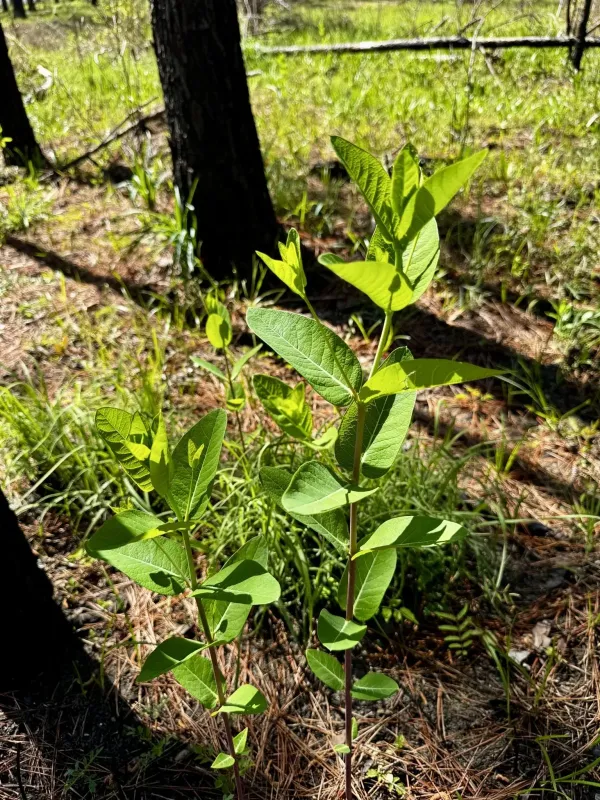
Description
Sowing dates
Indian hemp (Apocynum cannabinum) is a perennial rhizomatous plant belonging to the Apocynaceae family. Sowing seeds is usually performed in spring, once the soil has warmed to at least 12–15 degrees Celsius.
In industrial production, vegetative propagation using rhizome segments is more common, as seeds exhibit low germination rates and require prolonged stratification to break dormancy.
Plot preparation begins in the autumn with deep plowing and the application of organic fertilizers to ensure a loose soil structure, which is essential for vigorous root system development.
It is crucial to account for the species' aggressive nature; due to its powerful creeping rhizomes, the plant can quickly colonize adjacent areas, necessitating isolated plots.
The optimal planting pattern involves row spacing of 45 to 60 centimeters, which allows for mechanical soil cultivation and weed control during the early years of the plantation.
Growing requirements
The plant has moderate climate requirements, showing high winter hardiness in temperate latitudes, though it prefers well-lit, sunny areas without shading.
The best soils for Indian hemp are fertile, well-drained loams or sandy soils with a neutral to slightly acidic pH level, where no moisture stagnation occurs.
Despite the drought tolerance of mature plants, regular irrigation is required during the active growing season to ensure high biomass yield.
The crop is highly sensitive to waterlogging; excess soil moisture leads to rapid root rot and causes significant gaps in the plant stand.
As a standard agricultural practice, the annual application of nitrogen fertilizers is recommended to promote intense vegetative growth, which is rich in high-quality bast fiber.
Yield
The yield of Indian hemp depends directly on the density of the stand, the age of the plantation, and the intensity of the agronomic measures applied to the field.
On average, one hectare can produce between 5 and 8 tons of dry stem biomass, with the fiber content in the stems accounting for about 15–20 percent of the total dry weight.
Peak yield figures are typically observed in the 3rd or 4th year after plantation establishment, once the rhizome system has fully colonized the designated area.
Industrial utilization involves extracting high-strength bast fiber, which surpasses common flax and hemp in physical properties, possessing unique resistance to decay.
By-products include essential oil production and the use of secondary raw materials as dietary supplements, though the primary focus remains on fiber production.
Main diseases and pests
Indian hemp possesses natural defense mechanisms in the form of milky sap containing cardiac glycosides, making it largely unpalatable to most insect pests.
Among the few notable pests, aphids may occasionally colonize the tips of young shoots during exceptionally hot and dry summer spells.
Fungal diseases like Fusarium may occur if agricultural practices are neglected, particularly in waterlogged conditions or in dense, poorly ventilated stands.
Weed management is critical in the first year, as the slow initial growth of Indian hemp makes it vulnerable to competition for light and water.
In cases of pathogen infestation, targeted application of systemic fungicides is recommended, but the crop generally maintains high phytosanitary resilience.
Harvesting
Harvesting the stems is carried out during the full flowering period, when fiber content in the lower part of the stem is at its maximum and thread quality is optimal.
Standard forage harvesters or specialized fiber crop machines are used, adjusted to cut the stems at the minimum allowable height from the soil surface.
After harvesting, the stems undergo primary processing, including retting or mechanical decortication to separate the fiber from the woody core (hurd) for further processing.
It is important to harvest in dry weather to avoid premature fungal and mold growth on the gathered raw material during the initial wilting stage.
When plantation renewal is necessary, rhizomes are excavated in late autumn or early spring, using heavy disc harrows to break up the old root mats.