
Spreading dogbane
Apocynum androsaemifolium
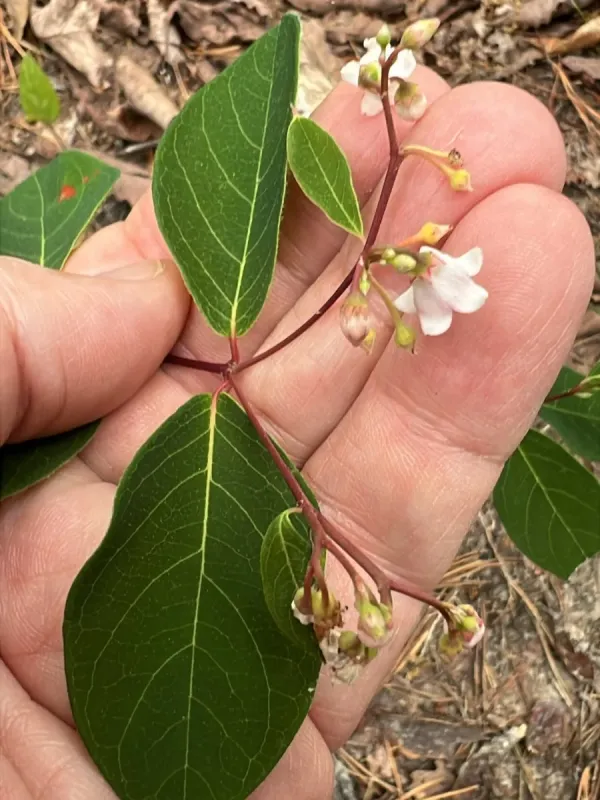
Description
Sowing dates
Sowing of spreading dogbane is typically performed in early spring once the soil temperature consistently reaches 10–12 degrees Celsius. It is crucial to prepare a fine, weed-free seedbed to ensure proper contact between the tiny seeds and the soil, which is vital for successful germination.
Seeds are sown in rows with a spacing of 45 to 60 centimeters, allowing for easier maintenance and mechanical weed control during the first season. The sowing depth should be shallow, usually 1–2 centimeters, to prevent exhausting the seed's energy before emergence.
During the first year, growth is slow as the plant invests heavily in establishing its root system. During this establishment phase, weed suppression is the most important management task, as competitive plants can easily overtake the small dogbane seedlings.
For industrial production, plant density is carefully managed to encourage the growth of long, straight, unbranched stems. Excessive branching caused by low density can significantly reduce the quality and yield of the fiber harvested from the stems.
Post-emergence harrowing can be used to break soil crusts and remove small weed seedlings without harming the hardy dogbane plants. Proper management in the first year ensures a stable, long-lasting stand that can be productive for many years to come.
Growing requirements
Spreading dogbane, a member of the Apocynaceae family, is a perennial plant known for its extensive rhizomatous root system. It thrives in well-lit environments and prefers fertile, well-draining sandy or loamy soils, showing significant adaptability to various climates.
The plant is noted for its high drought tolerance due to its deep root architecture, which allows it to thrive in continental climates with seasonal rainfall. However, to maximize stem fiber production, sufficient moisture during the early vegetative phase is essential.
Soil pH should ideally be neutral or slightly alkaline. Acidic soils can hinder the plant's growth and reduce the quality of the raw material. Organic matter incorporation during soil preparation helps improve soil structure and provides long-term nutrient availability.
The crop is relatively hardy against temperature fluctuations, though it prefers protected sites to avoid damage to the relatively brittle, tall stems during strong wind events. A stable temperature range of 20–25 degrees Celsius is optimal for active vegetative growth.
Maintenance includes the application of nitrogenous fertilizers starting from the second year to support vigorous stem growth. Because the crop is perennial, proper long-term soil management and nutrition planning are key to maintaining high yields over the lifespan of the plantation.
Yield
The primary agricultural interest in spreading dogbane lies in its high-quality bast fiber. This fiber is recognized for its exceptional strength, flexibility, and natural resistance to rot, making it a valuable raw material for technical textiles and specialized industrial cordage.
Beyond fiber, the stems contain a high percentage of cellulose, which is useful in the paper and pulp industry as an alternative to traditional wood-based feedstocks. This sustainable approach helps reduce pressure on forest resources while providing a reliable annual fiber source.
The plant serves as an excellent honey source, attracting numerous pollinators during the summer flowering season. This biodiversity benefit makes spreading dogbane a positive addition to agricultural landscapes, helping support local bee populations and beneficial insect activity.
While the plant contains bioactive compounds, it is primarily valued for its physical materials. Research into its secondary metabolites continues, but industrial use remains focused on the utilization of its strong, durable stems for various manufacturing and artisan applications.
The long-term nature of this crop, which can persist for many years on the same plot, makes it an economically attractive choice for sustainable agriculture. Once established, it requires less annual tillage than many other fiber crops, reducing overall farm energy usage.
Main diseases and pests
Spreading dogbane is remarkably resistant to many common agricultural pests due to the presence of a milky latex sap containing alkaloids, which makes it unpalatable to most herbivores. This natural chemical defense reduces the need for frequent pesticide applications.
The biggest threat to a dogbane crop is the competition from aggressive rhizomatous weeds. If weeds are not managed during the establishment phase, they can compete for light and nutrients, significantly reducing the density and overall yield of the crop stand.
Fungal diseases, such as leaf spot, can occur in poorly ventilated or excessively humid conditions. Management strategies include proper row spacing to ensure adequate airflow through the canopy, which helps keep the foliage dry and prevents the development of disease outbreaks.
Rodent damage to the rhizomes can weaken the patches and create entry points for pathogens. Regular monitoring of the field and rodent control measures are necessary to protect the integrity of the root systems that ensure the crop's long-term sustainability.
Integrated pest management (IPM) is recommended to maintain the crop's health. By focusing on maintaining the right plant density and soil conditions, growers can naturally suppress most threats, ensuring a healthy and productive harvest year after year.
Harvesting
The harvest is typically performed during or immediately after the peak flowering phase to ensure the fibers reach their optimal tensile strength. Harvesting at the correct physiological stage is crucial for ensuring the quality of the harvested bast fibers.
Stems are mowed using specialized machinery and then left to dry in windrows. This field-curing process is a vital part of the primary processing, as it facilitates the subsequent separation of the durable bast fibers from the woody core of the stems.
After reaching the appropriate moisture content, the stems are collected for secondary processing. This may include controlled retting or mechanical decortication, where the fiber is refined for use in textile and paper mills, requiring careful handling to preserve fiber integrity.
Modern harvesting equipment has significantly increased the efficiency of dogbane collection, minimizing biomass loss. It is essential to avoid prolonged exposure of the cut material to rain, which could degrade the fiber quality, discoloration, and overall commercial value.
After the harvest is completed, the remaining field area is typically cleared of crop residues to promote healthy regrowth in the following season. This careful post-harvest management ensures that the root system remains vigorous for the next year’s crop cycle.