
Amsonia orientalis
Amsonia orientalis
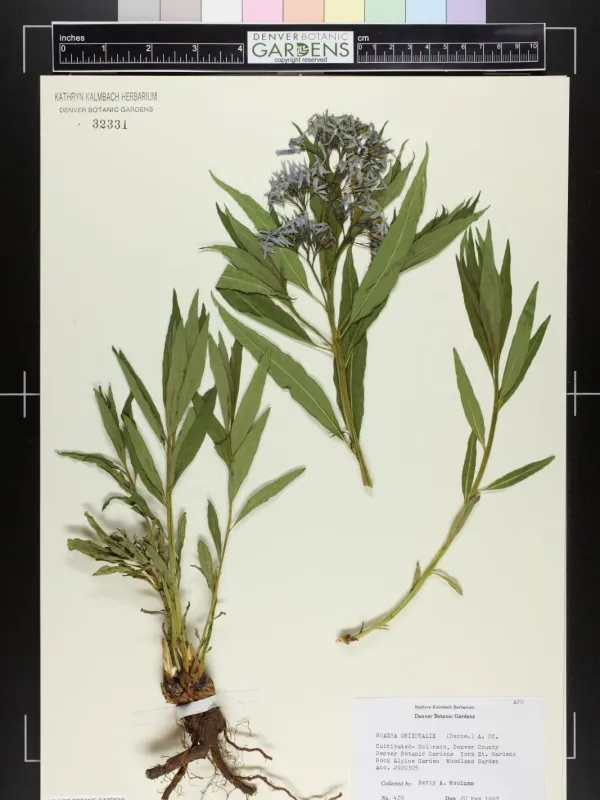
Description
Sowing dates
Propagation of Amsonia orientalis is typically achieved through seeds or vegetative division. Seeds require a cold stratification period to break dormancy and ensure high germination rates, making late autumn the ideal time for direct sowing.
If started indoors, seeds should be lightly covered with a thin layer of soil, as they require some light for optimal germination. The ideal temperature for successful seedling development ranges between 18°C and 22°C in a well-lit environment.
Vegetative division is best performed in early spring or autumn. Carefully lifting the root clump and dividing it into smaller sections with healthy shoots ensures the plants establish quickly in their new permanent locations.
When transplanting divisions, ensure the planting depth matches the original soil level to prevent stem rot. Space the plants approximately 45–60 cm apart to provide adequate airflow, which is essential for mature plant health.
Proper hydration immediately after planting is crucial to settle the soil around the roots and encourage active root growth. Once established, the plants demonstrate excellent drought tolerance during the summer months.
Growing requirements
Amsonia orientalis belongs to the Apocynaceae family and thrives in full sun to partial shade conditions. It is a robust perennial that prefers rich, well-draining soil with a pH level ranging from slightly acidic to neutral.
Soil structure is critical; while the plant is adaptable, it performs best in soils enriched with organic matter. Incorporating compost during the initial soil preparation helps retain necessary moisture while maintaining the required drainage.
The plant requires moderate water throughout the growing season, especially during its first year of establishment. Once mature, Amsonia orientalis is quite resilient to short dry spells, making it a low-maintenance landscape choice.
Hardiness is one of the key strengths of this species, as it can withstand cold winters across various climatic zones. Mulching in late autumn is recommended to protect the root zone from excessive freezing and thawing cycles.
Minimal fertilizing is usually sufficient for this species. A balanced, slow-release fertilizer applied in early spring once growth commences is typically enough to maintain healthy foliage and support the plant's seasonal flowering.
Main diseases and pests
Amsonia orientalis is naturally resistant to many common garden pests and diseases. However, excessive soil moisture can lead to root rot or crown rot, particularly if the drainage system is inadequate or the site is prone to waterlogging.
Aphids can occasionally cluster on tender new shoots during the spring. While they rarely cause significant damage to established plants, they can be managed with insecticidal soap or a strong blast of water if populations reach high levels.
Fungal issues such as leaf spots may occur in environments with poor air circulation and consistently high humidity. Improving spacing and ensuring the foliage dries out quickly after rainfall can effectively prevent most fungal problems.
Slugs and snails may browse on new spring growth, particularly in wet years. Using barriers or organic bait traps around the base of the plant is an effective way to keep these pests away from the developing foliage.
Good sanitation practices, such as removing old stalks and fallen leaves in late winter, help reduce the incidence of over-wintering pathogens and keep the garden patch clean and healthy throughout the year.