
Amsonia hybrid
Amsonia hybrids
Description
Growing requirements
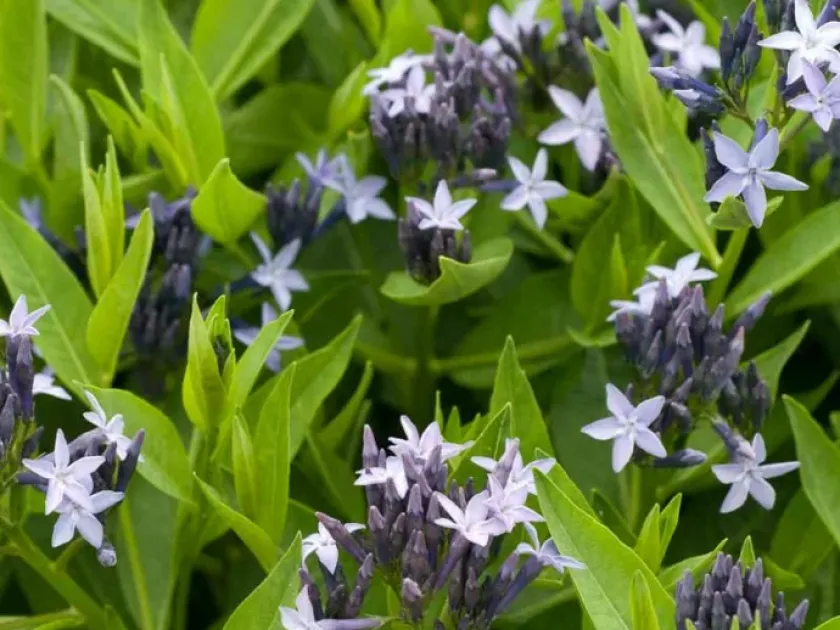
Amsonia hybrid (Amsonia hybrids) is a stunning perennial plant belonging to the Apocynaceae family. It is widely prized by gardeners for its structural beauty, star-shaped flowers, and remarkable autumnal foliage color, which turns into a vibrant shade of golden yellow.
These hybrids are derived from species native to North America and Asia. They have been specifically bred to combine the resilience of their wild ancestors with improved garden performance, such as more prolific flowering periods and enhanced bushy, clumping growth habits.
For optimal growth, Amsonia requires fertile, well-draining soil. It thrives in loamy soils that hold moisture but do not stay waterlogged. Incorporating organic matter, such as compost, into the soil before planting provides the necessary nutrients for long-term health.
The site selection is crucial for this perennial. While it tolerates a variety of lighting conditions, full sun is generally preferred for the most vigorous growth and flowering. In regions with intense summer heat, light afternoon shade is beneficial to maintain the foliage quality.
Routine care involves consistent moisture management, especially during the first year after planting. Once established, Amsonia hybrids demonstrate decent drought tolerance, although they perform best when soil moisture remains relatively stable throughout the growing season.
Main diseases and pests
Amsonia hybrid is exceptionally resistant to common garden pests and diseases. The presence of milky sap containing alkaloids serves as a natural defense mechanism against many insects, making it an excellent candidate for low-maintenance garden projects.
The primary threat to the plant's health is root rot caused by poor soil drainage. If the planting site stays saturated for prolonged periods, the root system can suffer. Ensuring the site is well-drained and avoiding excessive watering is the most effective preventative measure.
Fungal issues are rare and typically occur only in poorly ventilated or excessively humid conditions. If symptoms appear, removing the affected stems and improving air circulation around the crown is often sufficient to resolve the problem without the need for chemical intervention.
Pests such as aphids or spider mites are infrequent visitors. If they appear, a gentle spray of water or an organic soap solution is usually enough to control them. There is typically no need for aggressive pest control programs when dealing with established Amsonia plants.
General hygiene, including the removal of dead foliage at the end of the season, contributes to a healthy environment. By maintaining these simple horticultural standards, growers can ensure their Amsonia hybrids remain vigorous and pest-free for many years.