
Amsonia elliptica
Amsonia elliptica
Description
Sowing dates
Amsonia elliptica is propagated mainly through seeds or by dividing established clumps. Seeds should be sown in late autumn for natural stratification or in early spring after a cold treatment to ensure high germination rates.
When sowing, cover the seeds with about 0.5–1 cm of soil. Maintain consistent moisture during the germination period, which typically lasts several weeks depending on environmental temperatures.
Transplanting young seedlings into the garden should occur only after the danger of frost has completely passed. Proper spacing, typically 40–50 cm between plants, is essential to allow for healthy airflow and structural growth.
Clump division is best performed in early spring or autumn. Carefully lift the root system and split it into several sections, ensuring each part contains healthy dormant buds and sufficient root mass for quick recovery.
Regular watering after planting is crucial to help the roots establish in the new location. Once mature, Amsonia becomes quite resilient, though it still appreciates consistent moisture during extended dry spells.
Growing requirements
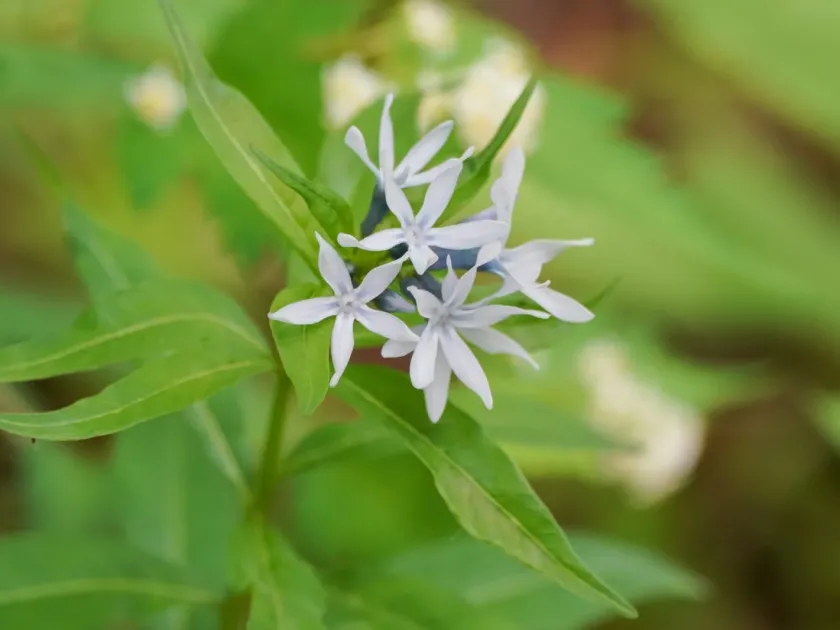
Amsonia elliptica is a perennial herb belonging to the Apocynaceae family, native to East Asia. It is highly regarded for its attractive, star-shaped flowers and its tidy, bushy habit that adds elegance to any landscape.
The plant thrives in full sun to partial shade. While it is adaptable to different light levels, it tends to develop a more dense and upright structure when provided with generous amounts of daily sunlight.
A well-draining, fertile soil is ideal for optimal growth. The plant is sensitive to waterlogged conditions, which can lead to root rot; therefore, ensuring proper drainage in the planting site is paramount.
The preferred soil pH is slightly acidic to neutral. Applying a layer of organic compost or a balanced fertilizer in the spring promotes vigorous growth and enhances the flowering display during the early summer months.
This species is quite hardy and can withstand moderate winters. In areas with extreme winter conditions or little snow cover, applying a protective layer of mulch around the base of the plant is recommended to insulate the roots.
Main diseases and pests
Amsonia elliptica is generally considered a low-maintenance plant that is resistant to most common garden pests and diseases. Its tough, fibrous stems and leaves are rarely attacked by insects, making it a reliable choice for gardeners.
In cases of poor air circulation or excessive moisture, fungal infections such as powdery mildew can occasionally occur. Proper spacing and location choice are the best preventative measures against these issues.
Root rot is the most significant threat if the soil remains waterlogged. Avoiding heavy, clay-based soils without proper drainage amendments effectively mitigates this risk throughout the growing season.
Occasional slugs or snails may feed on young tender shoots in the early spring. Keeping the area free of debris and using natural deterrents can help protect the plants during their most vulnerable stage of development.
Regular monitoring of the foliage ensures that any signs of distress are addressed early. By maintaining healthy soil conditions and ensuring adequate airflow, gardeners can easily prevent most potential threats to this robust perennial.
Harvesting
As an ornamental plant, Amsonia elliptica is not harvested for agricultural purposes. Its primary value lies in its decorative contribution to garden landscapes, borders, and naturalistic planting designs.
At the end of the growing season, gardeners perform a cleanup by cutting back the stems to approximately 5–10 cm above the ground. This cleanup practice prevents the accumulation of old foliage and keeps the garden tidy.
If seeds are required for propagation, the seed pods should be harvested once they are dry and begin to split. Handle them carefully to prevent premature seed dispersal during the collection process.
The plant provides a beautiful autumnal show as the foliage turns into vibrant yellow or gold hues, maintaining its decorative value until late in the season. This makes the post-season cleanup a simple and satisfying task.
Ongoing garden maintenance, such as weeding the base of the plant, ensures that the Amsonia remains vigorous and free from competition, allowing its natural beauty to persist for many years.