
Alstonia venenata
Alstonia venenata
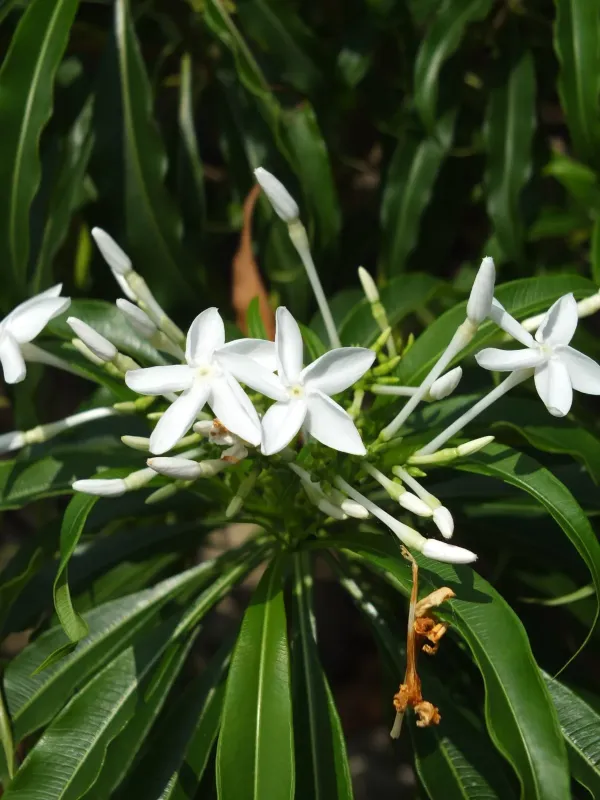
Description
Growing requirements
Alstonia venenata is a notable evergreen shrub or small tree belonging to the Apocynaceae family. It is native to the tropical forests of India, where it thrives in warm and humid environments with consistent temperatures throughout the year.
For cultivation, this species prefers well-drained, nutrient-rich soils with a slightly acidic profile. Proper drainage is the most critical factor, as stagnant water is detrimental to the plant's long-term health and root development.
The plant requires plenty of indirect sunlight. While it can withstand some exposure, direct mid-day sun in extreme tropical climates may cause leaf scorch; therefore, partial shading is recommended in commercial greenhouse setups.
Watering requirements are moderate; the soil should remain consistently moist but never waterlogged. During cooler or dormant periods, the irrigation frequency must be reduced to allow the roots to breathe and prevent fungal rot.
The economic value of this plant is predominantly medicinal. It is rich in various alkaloids, which have been documented in studies for their potential use in treating cardiovascular issues and supporting oncology research.
Main diseases and pests
Root rot is the most common threat encountered in Alstonia venenata farming, typically resulting from improper irrigation strategies or poorly designed soil drainage systems during the seedling stage.
Pests such as spider mites, aphids, and scale insects are known to infest the foliage. These pests thrive in dry environments, making humidity management a vital part of the overall pest control strategy.
Fungal infections can also occur if air circulation is poor. Ensuring adequate space between individual plants within the nursery allows for the necessary airflow to prevent the buildup of pathogens.
While the plant's toxicity acts as a natural deterrent to many generalist herbivores, it does not provide total immunity. Manual inspection and early detection of infestations are essential to avoid damage to the leaves and stems.
Integrated Pest Management (IPM) practices, including the use of neem-based oils or soap sprays, are generally effective in maintaining healthy crops without resorting to harsh synthetic chemical interventions.