
Alstonia spectabilis
Alstonia spectabilis
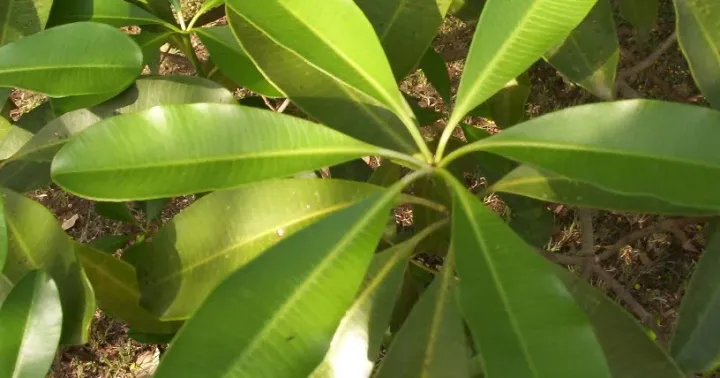
Description
Growing requirements
Alstonia spectabilis is a significant tropical tree species belonging to the Apocynaceae family. It is widely recognized for its rapid growth rate and structural timber quality, making it a valuable asset in tropical silviculture and regional agroforestry projects.
The species requires a tropical climate with high humidity and consistent rainfall patterns to thrive. It performs best in nutrient-rich, well-drained soils, showing a strong preference for environments that prevent waterlogging, which is critical for root health.
Optimal growth occurs in locations with full sunlight exposure. While young saplings may benefit from partial shade to establish their root systems, mature trees require significant light to maintain their growth trajectory and structural integrity within the forest canopy.
Agricultural management involves regular site monitoring and nutrient supplementation during the early stages of development. Maintaining soil pH levels between slightly acidic and neutral is essential to maximize nutrient uptake and ensure the robust development of the tree trunk.
The primary use of Alstonia spectabilis is in the timber industry, providing light, workable wood for furniture and interior finishings. Furthermore, the tree is acknowledged in traditional medicine systems for its potential therapeutic properties derived from its bioactive bark compounds.
Main diseases and pests
The primary threats to Alstonia spectabilis plantations involve fungal infections that target the bark and vascular tissues. These conditions often arise in poorly ventilated areas with excessive moisture, necessitating regular inspection of stand health.
Insect pests, specifically wood-boring beetles, pose a recurring risk to timber quality. Implementing a strict phytosanitary management program, including the removal of dead or infested wood, is necessary to maintain a healthy and productive tree population.