
Alstonia spatulata
Alstonia spatulata
Description
Growing requirements
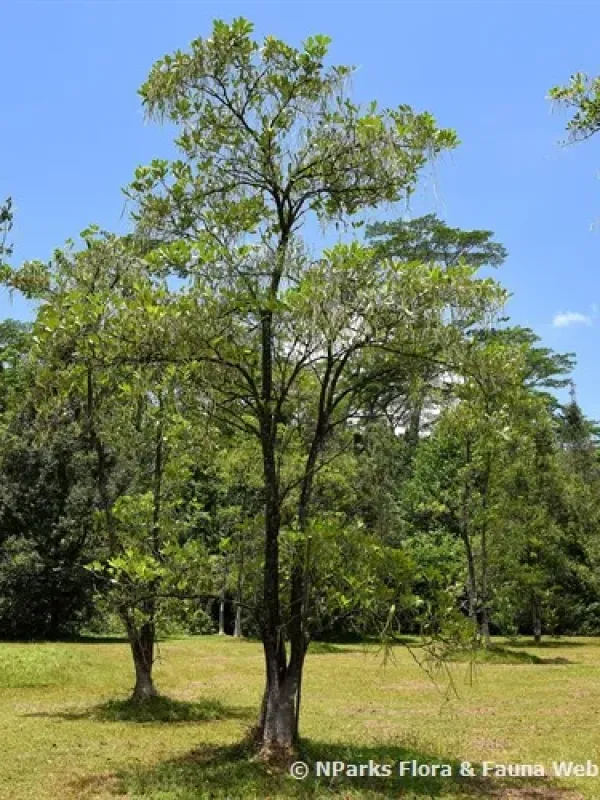
Alstonia spatulata is an evergreen tree species belonging to the Apocynaceae family. It is recognized by its distinctively shaped, spoon-like leaves and its remarkable ability to thrive in wet, swampy environments.
The species originates from the tropical regions of Southeast Asia, including countries like Thailand, Malaysia, and Indonesia. It is commonly found in freshwater swamp forests where the soil remains waterlogged for most of the year.
For cultivation, this species requires a warm and humid tropical climate. It thrives in temperatures ranging from 22 to 30 degrees Celsius and requires consistent humidity to maintain its vigorous growth patterns.
The soil requirements are specific: the tree prefers heavy, organic-rich soils that retain moisture effectively. While it tolerates wet feet, it is essential to ensure that the water is not stagnant to allow for proper nutrient uptake.
Economically, the tree is highly valued for its medicinal properties and its timber. The latex and bark have been historically used in traditional Southeast Asian medicine to treat various febrile conditions and inflammation.
Main diseases and pests
Fungal infections represent the most significant threat to Alstonia spatulata, especially when air circulation around the canopy is poor. Regular pruning helps manage humidity levels within the foliage.
Pests such as mealybugs and spider mites are common in tropical nurseries and plantations. These insects sap the plant's vitality, requiring integrated pest management strategies to maintain plant health.
Root rot remains a concern if the soil becomes anaerobic for extended periods. Monitoring the water level and substrate structure is vital to prevent the loss of young saplings in intensive growing systems.
Stem borers may target the bark, creating entry points for secondary bacterial or fungal pathogens. Protective applications and physical monitoring are necessary to safeguard the trunk integrity.
Environmental stress, such as sudden drops in temperature or prolonged drought, can make the trees more susceptible to infestations. Maintaining a stable environment is the best defense against pests and diseases.