
Alstonia macrophylla
Alstonia macrophylla
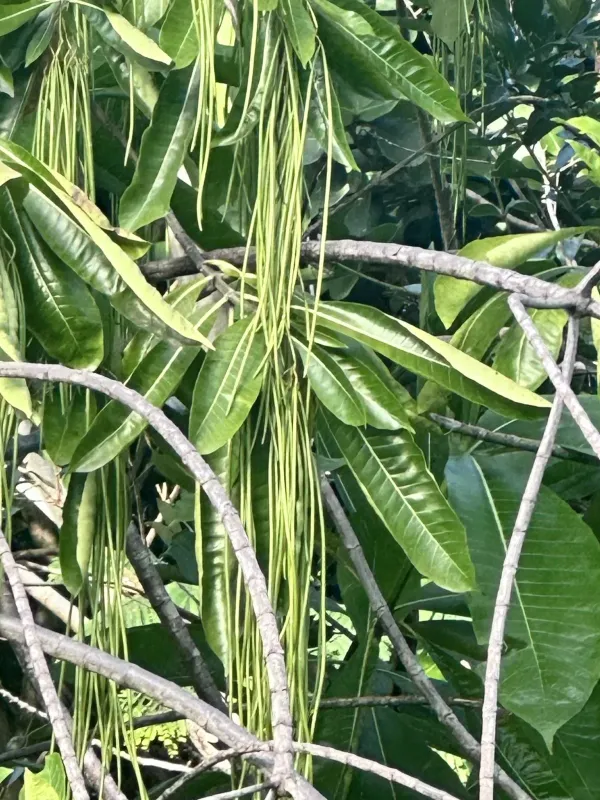
Description
Growing requirements
Alstonia macrophylla is a prominent member of the Apocynaceae family, known for its rapid growth and large, leathery leaves. As an evergreen timber tree, it can reach impressive heights, making it a valuable resource for tropical silviculture.
Originating from Southeast Asia and Oceania, the species thrives in humid tropical climates. It is highly adaptable but performs best in regions where temperatures remain consistently warm throughout the year, supporting year-round vegetative growth.
Regarding soil requirements, the tree prefers deep, fertile, and well-drained soils. While it can withstand various soil textures, standing water should be avoided to prevent root damage, which is the most critical factor during the establishment phase.
The silvicultural management of this species involves careful site selection and spacing to optimize light interception. Pruning is often employed in the early years to encourage the development of a straight, high-quality trunk, which is essential for timber production.
Industrially, the wood is utilized for its lightweight and workable properties, being ideal for manufacturing plywood, interior moldings, and furniture. Furthermore, the tree is recognized for its medicinal potential in various traditional practices.
Main diseases and pests
Fungal pathogens represent the most significant threat to nursery-grown seedlings, particularly in high-humidity environments. Improving air circulation is a primary cultural method used to mitigate these risks in plantation settings.
Pest pressures include defoliating insects that can reduce the growth rate of young saplings. Integrated pest management strategies, focusing on biological control and routine monitoring, are recommended to maintain tree vigor without excessive chemical input.