
Alstonia constricta
Alstonia constricta
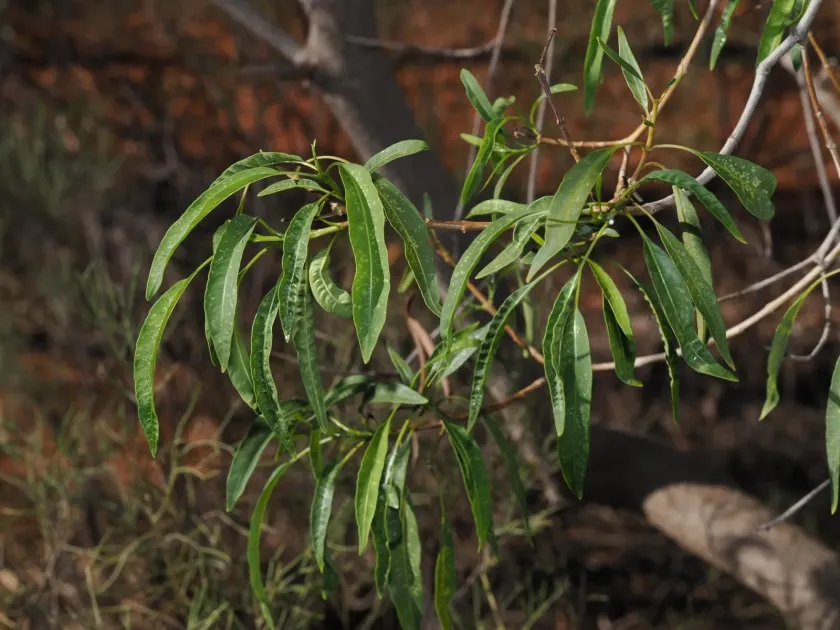
Description
Growing requirements
Alstonia constricta, commonly referred to as the bitter bark or quinine tree, is a prominent species within the Apocynaceae family. It is native to the eastern regions of Australia, where it is found in diverse habitats ranging from rainforest fringes to dry sclerophyll forests.
Climate requirements for this species are strictly tropical or subtropical. The plant demands high annual temperatures and is extremely intolerant of frost, which can cause severe dieback and permanent damage to the vascular system of the tree.
Soil management plays a crucial role in successful cultivation. The species thrives in well-drained, sandy loam soils with moderate fertility levels. It is imperative to avoid waterlogged conditions, as the root system is highly susceptible to asphyxiation and rot.
Agricultural practices involve consistent monitoring of growth rates, especially during the early development stages. Periodic pruning is recommended to shape the canopy and facilitate the harvest of the bark, which is the primary economic component.
The tree serves significant utility in traditional and modern medicine due to the presence of potent alkaloids. Its leaves and bark are studied for their potential therapeutic effects in cardiovascular and cancer research, making it a target for specialized crop production.
Main diseases and pests
The most common disease affecting Alstonia constricta is root rot, typically caused by Phytophthora species. This condition is triggered by excessive irrigation or poor soil structure, which prevents proper water drainage during wet seasons.
Leaf-eating caterpillars represent a major biological threat in plantation environments. These insects can defoliate entire branches in a matter of days, significantly impacting the photosynthetic capacity and bark quality of the tree.
Scale insects and aphids often infest the succulent growth of young trees. These pests excrete honeydew, which serves as a substrate for sooty mold growth, further hindering the physiological processes of the foliage.
Fungal leaf spots are frequently observed in high-humidity climates. Maintaining spacing between trees helps reduce the transmission of spores and allows the canopy to dry out after rain events, effectively limiting fungal outbreaks.
Effective pest management strategy relies on the rotation of chemical applications with biological controls. Regular inspection of the bark integrity is also essential, as physical damage can open entry points for various boring insects and pathogenic fungi.