
Alstonia congensis
Alstonia congensis
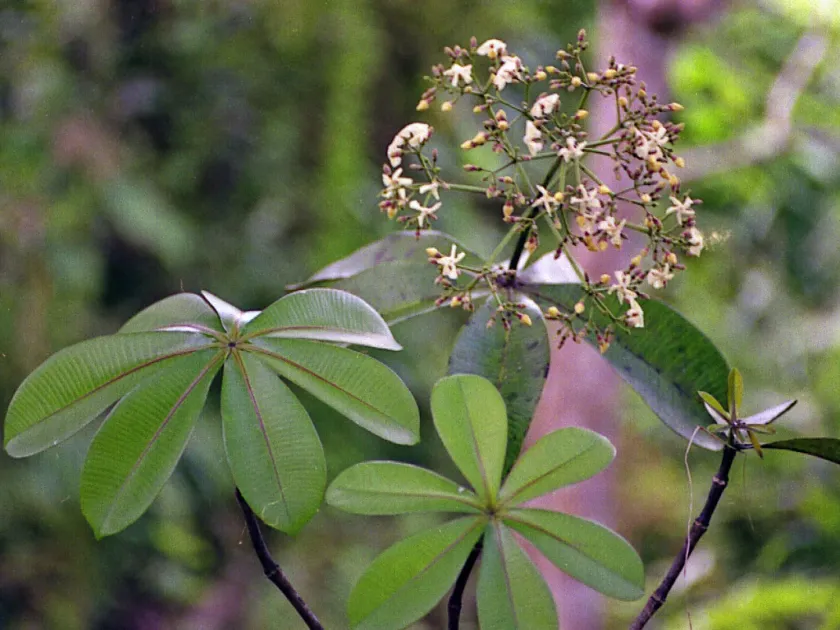
Description
Growing requirements
Alstonia congensis is a notable evergreen tree species belonging to the Apocynaceae family. It is recognized for its significant height, often reaching up to 40 meters in its native habitat within the tropical regions of Africa, particularly in wetland environments.
This species thrives in high-temperature climates where the heat remains consistent throughout the year. It exhibits a natural affinity for swampy areas and riverbanks, demonstrating a high tolerance for waterlogged soils that would be detrimental to many other tree species.
The cultivation of Alstonia congensis requires deep, nutrient-rich soils with high organic content. The tree is sensitive to nutrient deficiency and responds well to sustainable agroforestry practices that mimic the natural forest floor composition.
As a light-demanding species in its later stages of development, proper spacing between trees is essential for maximizing growth rates. Young specimens may tolerate partial shade, but commercial yield relies on adequate canopy management.
Hostile conditions or poor site selection can lead to stunted growth. Therefore, site preparation involves thorough soil mapping to ensure the chosen location provides both moisture retention and essential structural support for the maturing tree.
Main diseases and pests
Common threats to Alstonia congensis include fungal pathogens that exploit high humidity to infect the bark and root systems. Regular field inspections are necessary to identify early signs of localized outbreaks.
Insect pests, specifically wood-boring beetles, can degrade the quality of the timber if left unchecked. Integrated pest management strategies are employed to mitigate these risks in managed forest areas.
Environmental stress caused by excessive fluctuations in groundwater levels can trigger a decline in tree vigor. Monitoring water tables is a standard practice for maintaining healthy plantations.
Weed competition in the early stages of plantation development can suffocate young saplings. Targeted weeding around the base of the trees is required until the plants are established well enough to compete.
Climate change poses a long-term risk to the native range of this species, as shifting precipitation patterns affect the swampy ecosystems the tree relies on for its survival and growth.
Harvesting
The harvesting of Alstonia congensis is primarily aimed at its lightweight, easy-to-work wood. The logs are typically extracted using sustainable selective logging techniques to maintain the ecological balance of the forest habitat.
The timing of the harvest is determined by the tree reaching a specific breast-height diameter, which typically occurs after several years of consistent silvicultural management.
Once harvested, the wood is processed into various industrial products. It is highly valued for its straight grain, which makes it ideal for producing high-quality veneers, plywood, and lightweight construction materials.
Efficient processing of the harvested material involves immediate debarking and drying to prevent fungal discoloration. This initial treatment is critical for maintaining the commercial quality of the timber before it reaches the market.
The industry continues to optimize harvest logistics to reduce waste and ensure that the maximum possible value is extracted from every harvested tree, supporting local economic development.