
Alstonia boonei
Alstonia boonei
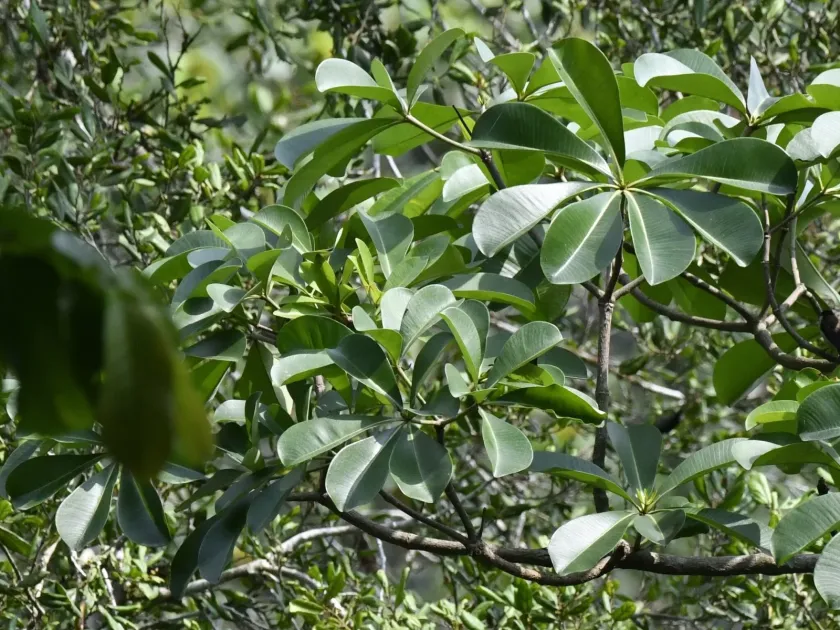
Description
Growing requirements
Alstonia boonei is a prominent tree species belonging to the Apocynaceae family. Native to the tropical forests of West and Central Africa, it is recognized for its significant height and unique physiological adaptation to humid tropical environments.
The cultivation of this species requires a stable tropical climate with temperatures consistently ranging between 22°C and 30°C. High atmospheric humidity and consistent annual rainfall are critical factors for achieving optimal growth rates and wood density.
Regarding soil requirements, the tree thrives in well-drained, nutrient-rich soils. While it can adapt to various soil types, waterlogged conditions must be avoided at all costs to prevent root rot and ensure the overall health of the specimen.
Agrotechnical management involves careful site selection and spacing to allow for full crown development. During the early stages of growth, nursery care is essential to protect saplings from direct, intense sunlight, which may be harmful to young shoots.
The plant is highly valued for its timber, which is light, easily workable, and widely used in construction and cabinetry. Additionally, the bark is a traditional source of medicinal compounds, utilized for its antimalarial and anti-inflammatory properties.
Main diseases and pests
Fungal pathogens represent the most common threat to plantations, especially in regions with prolonged wet seasons where airflow is restricted. Implementing proper spacing and pruning techniques significantly mitigates these risks.
Pest management focuses primarily on preventing infestations by wood-boring insects. Periodic monitoring of the tree trunks for holes or sawdust accumulation is necessary to identify and treat potential infestations before they compromise the structural integrity of the timber.