
Alstonia angustiloba
Alstonia angustiloba
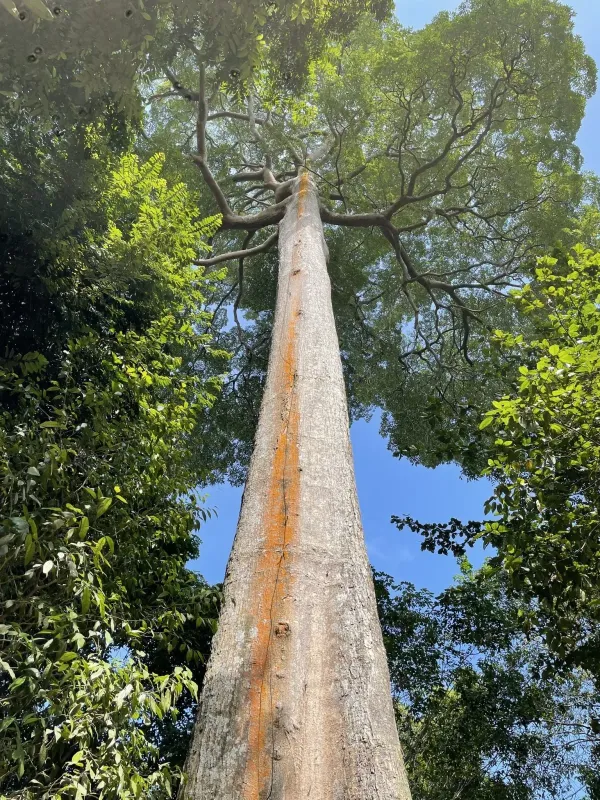
Description
Growing requirements
Alstonia angustiloba is a prominent species within the Apocynaceae family, known for its rapid growth in tropical environments. This tree typically develops a straight bole and a symmetrical crown structure, making it a valuable subject for plantation forestry.
The native distribution of this species spans across Southeast Asia, specifically in regions such as Malaysia, Indonesia, and the Philippines. It thrives in lowland tropical rainforests and is frequently found in secondary forest habitats where light availability is sufficient.
Climate requirements include high temperatures throughout the year and consistent high humidity levels. The species is not adapted to frost or prolonged dry spells, making its cultivation strictly limited to equatorial zones with reliable annual rainfall.
Soil requirements for optimal performance include deep, fertile, and well-drained substrates. While it shows some adaptability, growth rates are significantly improved in alluvial soils that allow for deep root penetration and healthy water movement.
Economically, Alstonia angustiloba is cultivated primarily for its lightweight and soft timber. This material is highly suitable for the production of plywood, matches, furniture components, and high-quality crafting wood, serving as a sustainable alternative in local timber industries.
Main diseases and pests
The primary threats to this plantation crop involve defoliating insects that can retard the growth of saplings during their establishment phase. Additionally, pathogens related to excess soil moisture can lead to fungal issues if drainage systems are inadequate.
Sustainable management practices, such as maintaining appropriate spacing between trees and monitoring sapling health, are essential to mitigate these risks. Integrated pest management strategies are often implemented to ensure the longevity of the timber stand.