
Alstonia angustifolia
Alstonia angustifolia
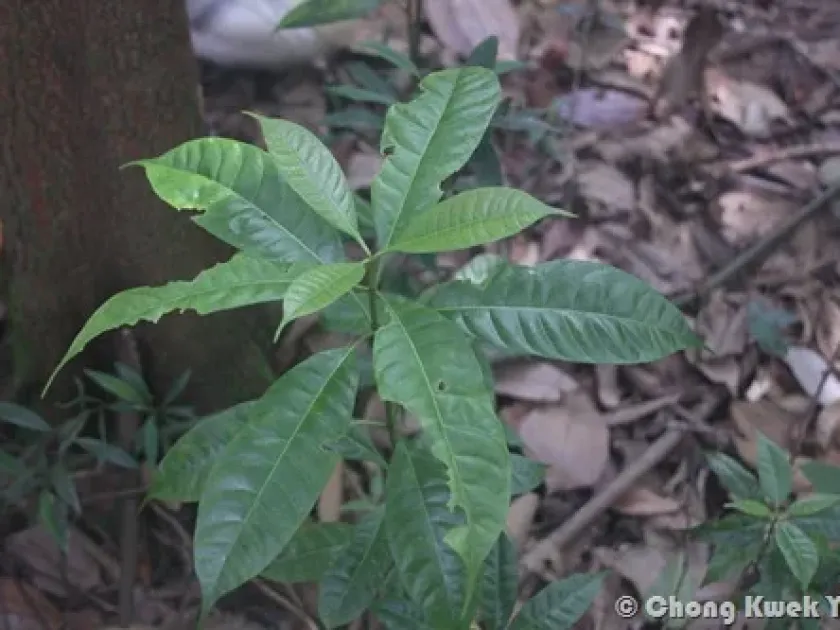
Description
Growing requirements
Alstonia angustifolia is an evergreen tree species belonging to the Apocynaceae family. It is native to the tropical rainforests of Southeast Asia, thriving in regions with high humidity and consistent tropical temperatures.
The tree requires a specific set of climatic conditions to reach its full potential. It prefers deep, well-draining soils that are rich in organic matter, avoiding areas where water may stagnate for extended periods.
Regarding sunlight, the plant undergoes a transition phase. While young saplings require partial shade to protect them from harsh direct sunlight, mature trees prefer full sun exposure to promote healthy growth and straight timber development.
Agricultural management of this species involves careful site selection to ensure it receives sufficient rainfall or moisture, as the tree is sensitive to prolonged drought periods during its initial establishment.
The economic value of this tree is largely derived from its wood, which is utilized for various construction and manufacturing purposes. Additionally, the tree is recognized for its historical use in traditional medicine.
Main diseases and pests
The primary agronomic threats to Alstonia angustifolia include soil-borne fungal pathogens. Diseases such as root rot can occur if the soil management fails to provide adequate drainage for the root system.
Insect pests represent another significant challenge, particularly during the juvenile stage of the tree. Defoliators can cause growth retardation if infestations are not controlled through integrated pest management strategies.
Weed competition is a constant threat to young saplings in plantation settings. Effective suppression of surrounding weeds is essential to prevent resource competition for nutrients and water.
Extreme weather events, such as strong winds and cyclones, pose a physical threat to the canopy structure of the trees. Plantation sites should be strategically managed to mitigate wind damage.
Environmental degradation and habitat loss are critical threats to the species in its natural range, making sustainable plantation forestry an important conservation and economic strategy.