
Allamanda schottii
Allamanda schottii
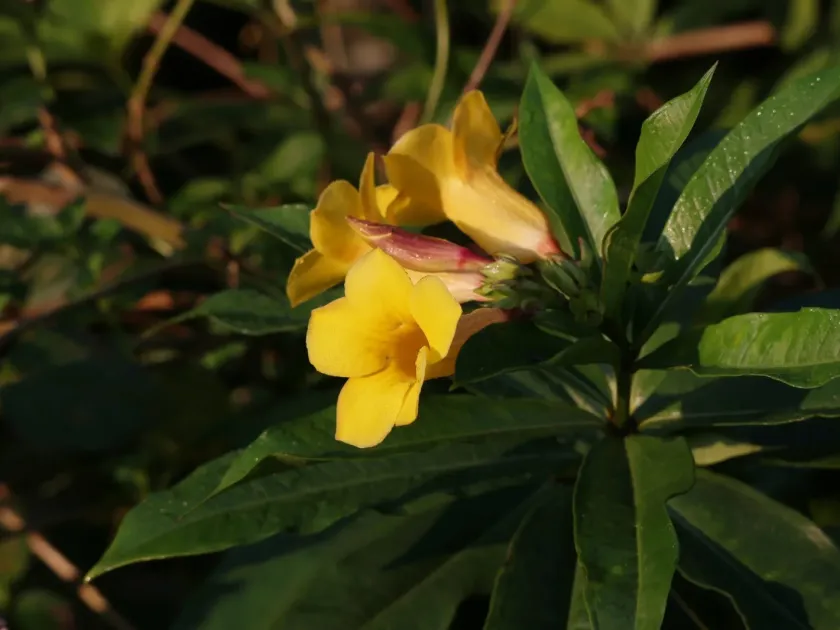
Description
Growing requirements
Allamanda schottii, commonly known as bush allamanda, is a perennial shrub belonging to the Apocynaceae family. Native to the tropical regions of Brazil, this plant thrives in warm and humid environments, often seen in tropical gardens and as an indoor ornamental plant.
The plant requires a strictly warm climate, with ideal temperatures ranging between 22 and 28 degrees Celsius. Exposure to temperatures below 15 degrees Celsius can cause significant stress, leaf drop, and may lead to the total collapse of the plant's biological processes.
Regarding soil requirements, Allamanda schottii prefers nutrient-rich, well-draining substrates. Waterlogging is detrimental to the root system, so it is essential to ensure a porous medium that allows excess moisture to escape easily after each irrigation cycle.
Light intensity is the primary driver of growth and flowering. The species demands full sun to partial shade, with at least six hours of bright light daily to produce its signature yellow, bell-shaped flowers throughout the blooming season.
Regular maintenance includes pruning to manage the shrub's shape and size. Pruning is best performed after the main flowering period to encourage lateral branching and ensure a more compact, aesthetically pleasing growth habit for the subsequent season.
Main diseases and pests
Spider mites represent a major threat to Allamanda schottii, especially in environments with low humidity. These pests thrive in dry conditions and can quickly colonize the foliage, leading to mottling and severe wilting if not addressed early.
Mealybugs are another common pest that targets the stems and the undersides of leaves. Their feeding activities weaken the plant and facilitate the development of sooty mold, which impairs the plant's ability to perform photosynthesis.
Root rot, primarily caused by fungal pathogens such as Phytophthora, is a critical issue associated with improper watering practices. Persistent damp soil in the root zone quickly leads to tissue decay and eventual plant death.
Whiteflies can also cause infestations in greenhouses or controlled environments. These insects multiply rapidly and act as vectors for various plant viruses, necessitating consistent monitoring and the use of targeted systemic insecticides.
Disease prevention centers on proper cultural practices. Ensuring adequate spacing between plants to improve airflow and maintaining proper moisture levels are the most effective strategies to keep the shrub healthy and productive.