
Allamanda oenotherifolia
Allamanda oenotherifolia
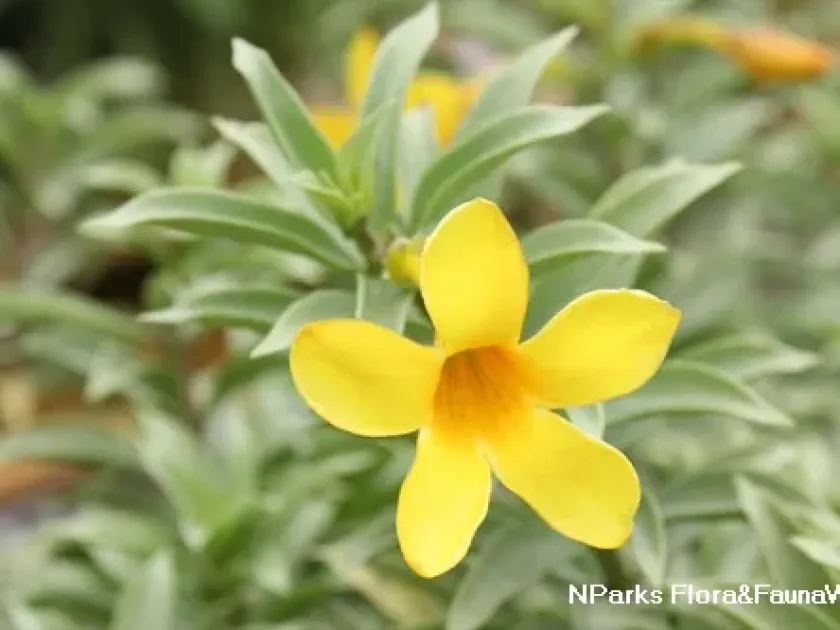
Description
Growing requirements
Allamanda oenotherifolia is a member of the Apocynaceae family. This evergreen semi-shrub is noted for its ability to develop scrambling stems that require sturdy support systems if cultivated in a greenhouse or controlled agricultural environment.
Native to tropical South America, this species thrives in environments characterized by high humidity and consistent warmth. It is not cold-hardy, and frost can cause irreversible damage to the vascular tissue of the plant, making greenhouse cultivation essential in temperate zones.
The crop requires fertile, well-draining soil with a pH range that is slightly acidic to neutral. In professional production, a potting mix enriched with organic matter is preferred to ensure optimal nutrient availability and root aeration throughout the season.
High light intensity is a fundamental requirement for this species. To achieve a productive flowering phase, the crop must be exposed to direct sunlight for the majority of the daylight hours; shade will significantly reduce the vigor and reproductive output of the plant.
Management practices involve consistent irrigation during the peak growth period, avoiding stagnant water around the roots. Pruning is necessary to maintain the plant's structural integrity and to stimulate the development of flowering side shoots.
Main diseases and pests
The primary pests affecting this crop include spider mites, mealybugs, and whiteflies, which tend to congregate on the undersides of the foliage. Integrated pest management (IPM) strategies, including biological control, are recommended for long-term health.
Fungal pathogens associated with overwatering, such as Phytophthora and Pythium, represent the main disease risks. These infections often originate in the soil and can rapidly compromise the integrity of the root system if drainage is not effectively managed.