
Allamanda blanchetii
Allamanda blanchetii
Description
Growing requirements
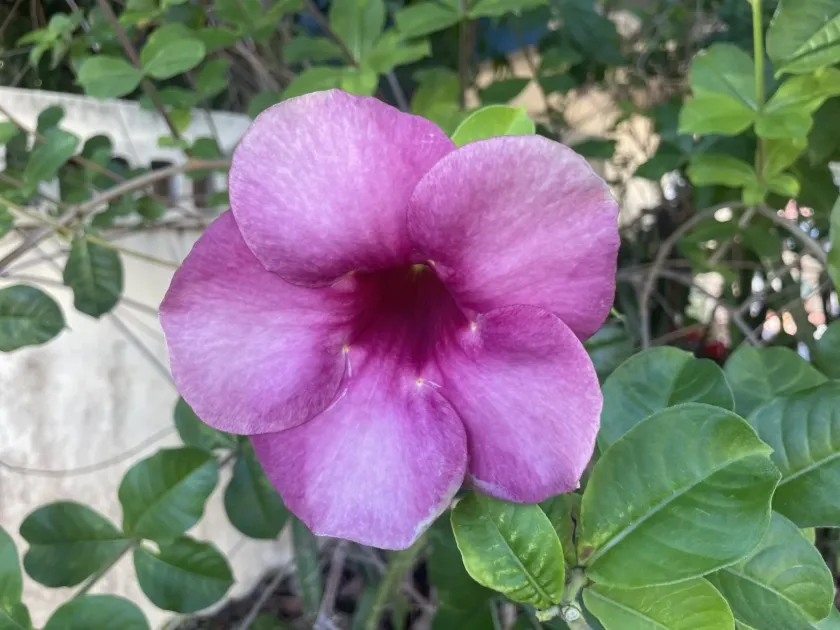
Allamanda blanchetii, commonly known as the purple allamanda, is a perennial shrub belonging to the Apocynaceae family. Native to Brazil, it is highly regarded in tropical horticulture for its vibrant, funnel-shaped purple flowers that bloom throughout the growing season.
Botanically, this species is characterized by its woody stems and elliptical, dark green foliage. Unlike the more common yellow varieties of Allamanda, this species offers a distinct color profile that makes it a popular choice for ornamental use in warm, frost-free climates.
The plant thrives in full sun, requiring at least six to eight hours of direct light daily to promote healthy vegetative growth and flower production. It is sensitive to cold temperatures and should be protected from any frost, as temperatures below 10 degrees Celsius can cause significant damage.
Regarding soil requirements, Allamanda blanchetii prefers well-drained, nutrient-rich soil with a slightly acidic pH. Incorporating organic matter, such as compost or peat, helps maintain moisture while ensuring excess water drains away to prevent root stress.
Effective agronomic management includes regular pruning to maintain the shrub's shape and to encourage denser branching. Since the plant flowers on new growth, aggressive pruning after the main flowering season is recommended to revitalize the plant for the next cycle.
Main diseases and pests
Spider mites are the most common pests that infest Allamanda blanchetii, particularly when the ambient air is hot and dry. These pests cause yellowing of the leaves and can significantly weaken the plant if left untreated for long periods.
Mealybugs can also pose a threat, hiding in the leaf axils and stems. Their presence is often identified by a white, cottony substance, which requires prompt removal using horticultural oil or soap-based insecticidal solutions.
Root rot is a major disease risk, typically caused by overwatering or poorly drained containers. Symptoms include wilting, discolored leaves, and a general lack of vigor despite adequate moisture availability.
Fungal infections, such as leaf spot, can occur in environments with high humidity and poor air circulation. Improving ventilation around the plant is the most effective cultural method to reduce the risk of these diseases.
As a member of the Apocynaceae family, the plant contains milky sap that is toxic if ingested and can cause skin irritation. Gardeners should always wear gloves and long sleeves when pruning or handling the plant to avoid contact dermatitis.