
Rize snowdrop
Galanthus rizehensis
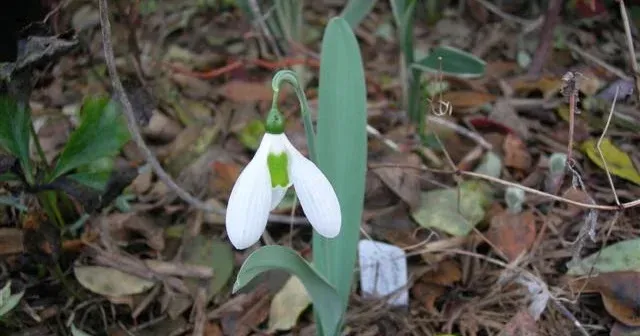
Description
Growing requirements
The Rize snowdrop (Galanthus rizehensis) is a perennial bulbous plant belonging to the Amaryllidaceae family. Originating from northeastern Turkey and the Caucasus region, it is well-adapted to cool, shaded woodland habitats with moist soil conditions.
For successful cultivation, this plant requires soil rich in organic matter, such as leaf mold or compost. It is crucial to provide a well-draining substrate; although the plant thrives on moisture, waterlogged soil during the summer dormancy period can prove fatal to the bulbs.
The ideal planting site should offer partial shade, mimicking the dappled light of its natural forest environment. Direct, intense sunlight during the summer months is detrimental and should be avoided to prevent premature drying of the root system.
Galanthus rizehensis is notably hardy and can withstand low winter temperatures without significant damage. However, in regions where temperatures fluctuate significantly without snow cover, applying a layer of organic mulch helps stabilize the ground temperature.
Maintenance is relatively low-input, focusing primarily on moisture management during the spring growing season. Once the foliage begins to yellow after flowering, it should be allowed to wither naturally to ensure energy is stored back into the bulbs for the following year.
Main diseases and pests
Botrytis, or gray mold, represents the primary pathological threat to the Rize snowdrop. It typically occurs in damp, stagnant air conditions and manifests as spots on the foliage, eventually leading to rot if left untreated.
Pests such as the narcissus fly and various species of slugs are significant threats. The larvae of the narcissus fly are particularly destructive, as they consume the inner tissue of the bulb, often leaving it hollow and incapable of regeneration.
Slugs and snails tend to feed on the tender emerging shoots in early spring. Protecting the plants can be achieved through mechanical barriers, such as sharp grit, or biological controls that target these soft-bodied pests.
Cultural practices such as adequate spacing between plants significantly mitigate the spread of fungal pathogens by allowing for better airflow. Removing and destroying any infected plant material immediately helps prevent widespread contamination within a planting cluster.
Regular monitoring of the site during the peak growing season allows for early detection of potential threats. Maintaining healthy soil structure through annual additions of well-rotted organic matter promotes vigorous growth, making the plants more resilient to stress and infections.