
Galanthus gracilis
Galanthus gracilis
Description
Growing requirements
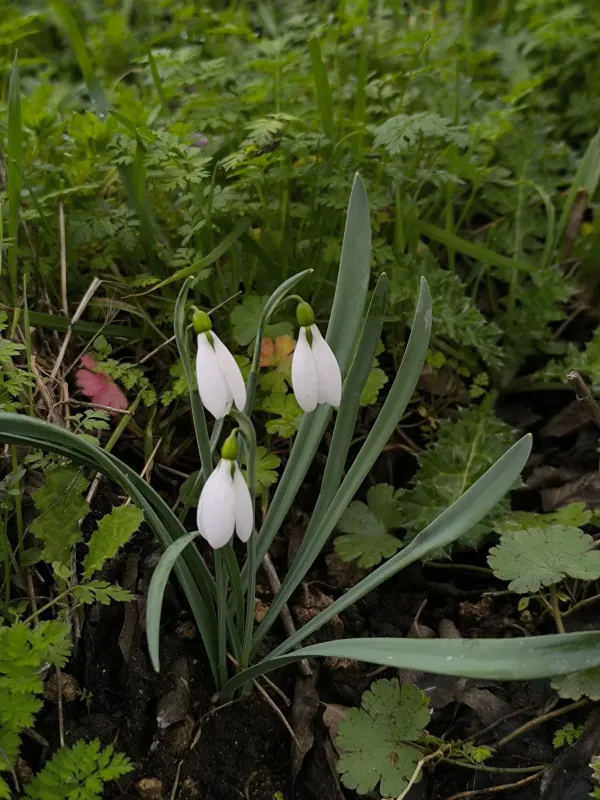
Galanthus gracilis is a distinctive member of the Amaryllidaceae family, characterized by its characteristic thin, spirally twisted foliage and early blooming cycle.
Originating from the Balkan Peninsula and Turkey, this plant thrives in temperate climates. It prefers woodland-like environments where it can receive filtered light during its spring growth phase.
For optimal growth, the soil must be well-drained and slightly alkaline or neutral. Incorporating organic matter into the planting area enhances bulb vitality and long-term establishment.
Cultivation requires careful management of soil moisture. While the plant needs hydration during active growth, the bulbs must be kept relatively dry during their dormant summer period to prevent rotting.
Planting depth should generally be two to three times the height of the bulb. Spacing should allow for natural clumping, as this species excels when left undisturbed for several years.
Main diseases and pests
The primary pathological threat to Galanthus gracilis is Botrytis galanthina, which causes grey mold to develop on leaves and flowers under humid conditions.
Bulb flies are major insect pests. Their larvae burrow into the basal plate, causing irreversible damage that often results in the death of the bulb during the winter.
Nematode infestations can manifest as stunted growth and stunted, distorted flowers, making it essential to source bulbs from reliable, disease-free suppliers.
Rust and various leaf spot diseases can occur if air circulation around the plants is poor, requiring immediate removal of affected foliage to prevent spread.
Gastropods such as slugs can severely damage the emerging foliage in early spring; thus, protective measures or baiting may be necessary in high-pressure areas.