
Foster's Snowdrop
Galanthus fosteri
Description
Sowing dates
Planting Galanthus fosteri bulbs should be carried out exclusively during the autumn months. Timing is essential, allowing the bulbs to establish a robust root system before the onset of winter dormancy.
The bulbs should be planted at a depth of approximately 8 to 10 centimeters. Ensuring proper soil structure is vital; if the garden soil is heavy clay, incorporating coarse sand or grit at the base of the hole is necessary to ensure drainage.
Spacing between bulbs should be between 10 and 15 centimeters to allow for optimal growth and natural division of the clumps over subsequent years, preventing overcrowded conditions that can lead to disease.
Applying a layer of well-rotted leaf mold or compost during planting provides essential nutrients. Avoid fresh manure, as it increases the risk of fungal infections and can burn the developing roots of the bulbs.
After planting, lightly firm the soil surface but avoid excessive compaction. A protective mulch can be applied to regulate soil temperature, provided it is not so dense that it prevents early spring growth.
Growing requirements
Foster's Snowdrop (Galanthus fosteri) is a perennial bulbous plant belonging to the Amaryllidaceae family. It is native to the mountain regions of Turkey, Lebanon, and Israel, where it grows in specific rocky habitats.
The plant thrives in well-drained, alkaline soils. Unlike some other species, it requires a position in partial shade to avoid direct scorching sunlight, which is critical for maintaining its health throughout the growing season.
One of the primary environmental requirements for this species is a dry summer dormancy period. The bulbs must remain in relatively dry soil after the foliage has died back to prevent rot and physiological stress.
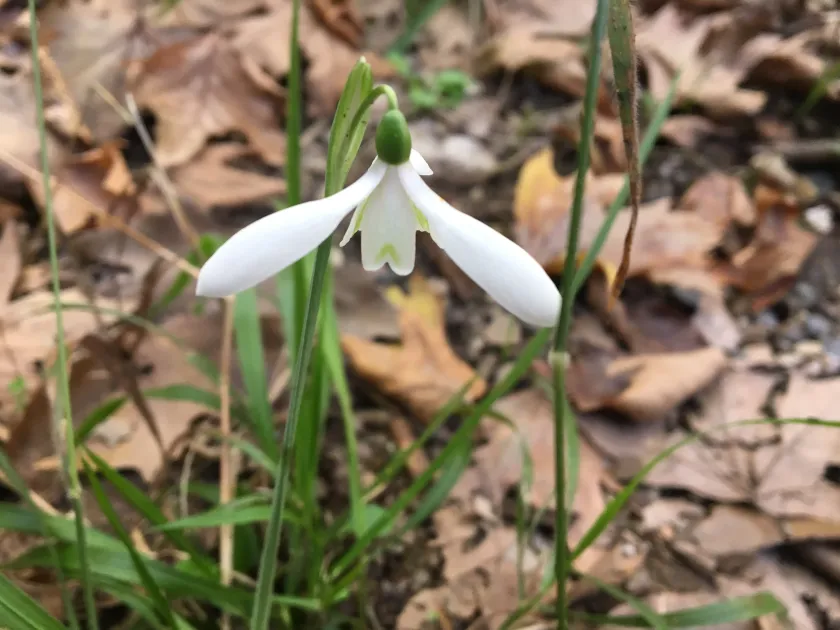
Botanically, Galanthus fosteri is distinguished by its broad, bright green, glossy leaves and elegant flowers with a notable green marking on the inner petals. It is a compact plant, usually reaching 10 to 20 cm in height.
In landscaping, this species is highly valued for its early flowering period and aesthetic appeal in rock gardens and woodland borders, providing a significant ornamental contribution to spring displays.
Main diseases and pests
The main pathological threat to Foster's Snowdrop is Botrytis galanthina, commonly known as gray mold. This fungus thrives in cool, damp conditions, attacking both the leaves and the bulb itself.
Pests such as narcissus fly larvae and bulb mites can cause significant damage to the plant's underground structures. Proper inspection of bulbs prior to planting is a fundamental preventive measure for gardeners.
Small rodents represent a physical threat, as they frequently consume or damage bulbs during the winter period. Utilizing wire mesh planting baskets can effectively mitigate this problem in high-risk garden areas.
Viral infections, often spread by aphids, can manifest as stunted growth or distorted, mottled foliage. Keeping the garden free of sap-sucking insects is essential for maintaining a healthy collection of snowdrops.
Management involves removing and destroying any plants showing signs of severe infection and ensuring high levels of hygiene in the garden, including the sterilization of tools used for maintenance.