
Crinum moorei
Crinum moorei
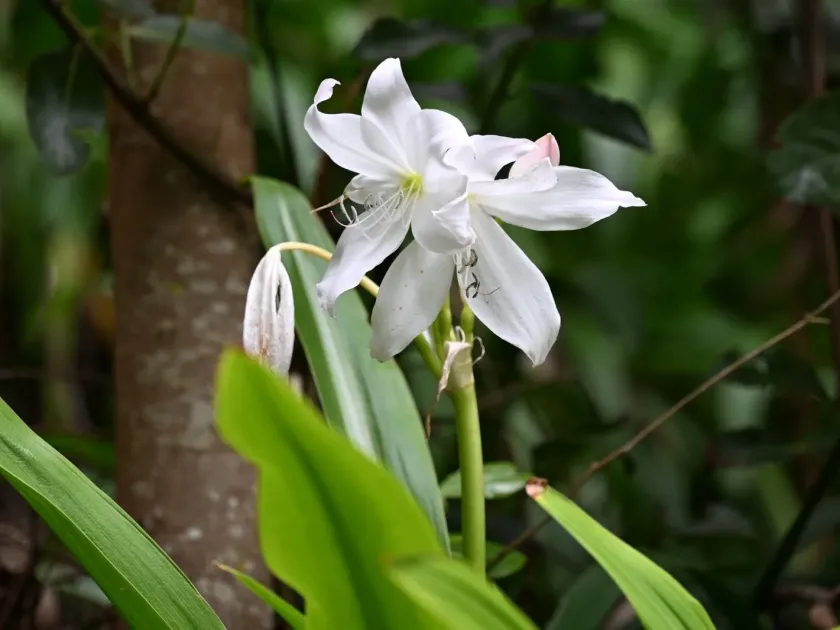
Description
Growing requirements
Crinum moorei is a perennial bulbous plant belonging to the Amaryllidaceae family. Originating from the damp, shaded forest regions of South Africa, it is a popular ornamental species valued for its large, fragrant flowers and robust, lush foliage.
Successful cultivation requires a loose, nutrient-rich, and well-drained substrate. A standard mix for this plant includes loam, leaf mold, peat, and coarse sand to ensure efficient drainage and aeration around the bulb, which is prone to rot in waterlogged conditions.
The plant thrives in bright, indirect light. Direct sunlight during the peak of the day can cause leaf scorch, particularly in container-grown plants. A moderate temperature range of 20–25 degrees Celsius is ideal during the primary growth phase in spring and summer.
Seasonal management is critical for the health of Crinum moorei. It requires a distinct dormant period in winter, during which temperatures should be reduced to 10–12 degrees Celsius and watering should be strictly limited to prevent bulb desiccation without promoting decay.
In terms of practical use, Crinum moorei serves as a significant ornamental asset. It is frequently utilized in greenhouses, conservatories, and temperate gardens as a seasonal container plant, adding a touch of exotic elegance with its large, trumpet-shaped blossoms.
Main diseases and pests
Excessive moisture is the primary threat to the longevity of the plant. If the soil remains consistently soggy, the bulb and roots quickly succumb to fungal infections, often leading to rapid tissue breakdown and total plant failure.
Common pests associated with this species include spider mites and mealybugs, which tend to flourish in indoor environments with low humidity. These pests feed on the cell sap, leading to yellowing, distortion, and stunted growth of the foliage.
Stagonospora curtisii, commonly known as "red blotch" disease, is a major concern for the Amaryllidaceae family. It manifests as red spots or streaks on the leaves and bulbs, often leading to structural damage if not managed with appropriate fungicides.
Pest and disease management relies heavily on early detection and a proactive approach. Regular inspection of the undersides of leaves and the soil surface allows for quick intervention using biological or chemical control methods approved for ornamental plants.
Maintaining a clean growing environment is essential for preventing the spread of pathogens. Proper sanitation, including the removal of dead foliage and the use of sterile growing media, significantly reduces the risk of pest infestations and disease outbreaks.