
Crinum lorifolium
Crinum lorifolium
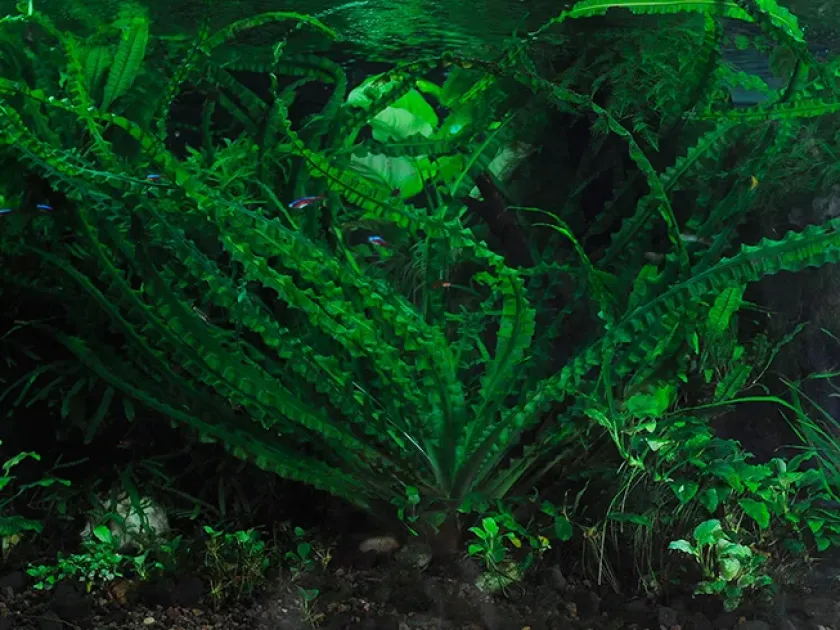
Description
Growing requirements
Crinum lorifolium is a perennial bulbous plant belonging to the Amaryllidaceae family. Native to tropical regions, this species thrives in moisture-rich environments, including swampy areas and riverbanks.
The plant requires bright, indirect sunlight to maintain its structural integrity and encourage flowering. Direct exposure to intense midday sun can scorch the foliage, necessitating shade protection in greenhouse conditions.
Temperature requirements are strictly tropical, with an ideal growth range between 22°C and 26°C. During the dormant phase, the plant benefits from cooler temperatures to reset its metabolic processes.
Soil composition must be rich in organic matter and possess excellent drainage capabilities. A standard mix includes peat, loam, and coarse sand to prevent the bulb from rotting due to moisture retention.
Consistent moisture is vital during the growing season. Irrigation should be thorough, ensuring the soil is saturated but allowing the surface to dry slightly before the next watering session.
Main diseases and pests
Common pests affecting Crinum species include scale insects and mealybugs. These pests sap nutrients from the leaves, leading to chlorosis and stunted development of the entire plant.
Fungal pathogens such as Stagonospora curtisii can cause red blotch disease, which manifests as necrotic lesions on the bulb scales and leaves, often triggered by excessive humidity.
Maintaining adequate air circulation is critical for disease prevention. Proper spacing in greenhouse cultivation prevents the accumulation of stagnant air and excess moisture on the foliage.
Integrated pest management strategies should prioritize mechanical removal of pests and the application of horticultural oils or systemic insecticides when infestation pressure is high.
If fungal infections are detected, surgical removal of damaged tissue followed by systemic fungicide application is necessary to stop the spread of spores to healthy plant parts.