
Crinum jagus
Crinum jagus
Description
Growing requirements
Crinum jagus is a perennial bulbous plant belonging to the Amaryllidaceae family. It is characterized by its large, prominent bulb, which serves as a vital energy reservoir, allowing the plant to thrive in its native tropical environment.
The species originates from the tropical regions of West and Central Africa. It typically occupies moist forest floors and riverbanks, where it benefits from consistent humidity and nutrient-rich soil compositions found in these ecosystems.
For successful cultivation, the plant requires a high-quality, well-draining substrate. A mix of loam, sand, and organic matter is ideal to prevent waterlogging, which is the primary cause of bulb failure in non-native habitats.
Temperature management is crucial as the plant is not frost-tolerant. It performs best in temperatures ranging from 20 to 28 degrees Celsius. Cultivation outside the tropics usually implies greenhouse or container gardening to protect the bulb from cooling.
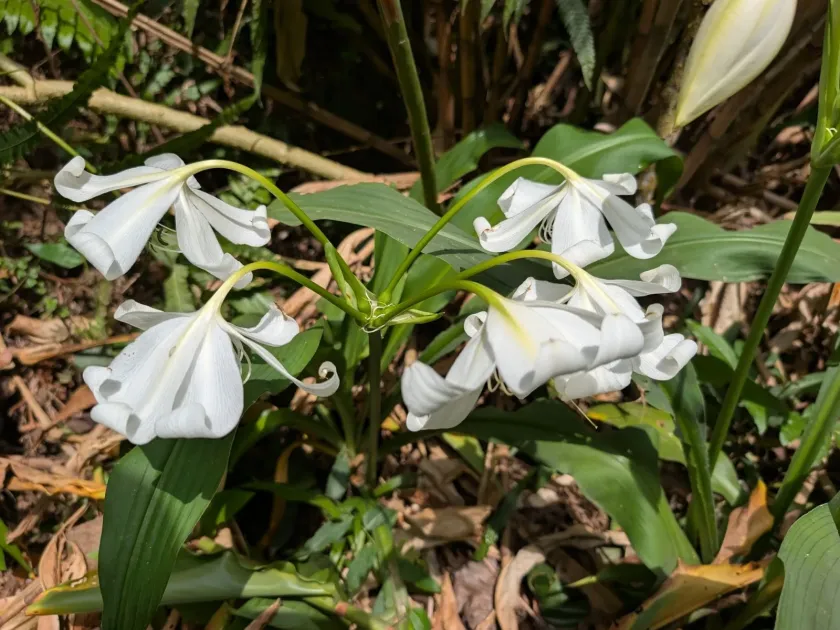
Botanically, Crinum jagus features long, strap-shaped leaves and tall, sturdy scapes. The flowers are arranged in an umbel, showcasing elegant white petals with a distinct, sweet fragrance that is highly appreciated in botanical collections.
Main diseases and pests
The main pathological threat to Crinum jagus is basal rot caused by various fungal pathogens. This typically occurs in poorly ventilated spaces where moisture accumulates around the neck of the bulb, leading to rapid decay.
Pests such as mealybugs are frequent visitors, finding shelter between the tight layers of the foliage. Their presence can severely weaken the plant and serve as a vector for secondary viral infections.
Spider mites represent a significant risk, particularly during periods of low air humidity. These small arachnids feed on the leaf sap, leading to chlorosis and potential loss of photosynthetic efficiency if left untreated.
Good agricultural practice requires the use of systemic fungicides for both preventative and curative measures. Tools must be disinfected regularly to prevent the spread of diseases during routine maintenance or propagation tasks.
Root health is the ultimate indicator of the plant's overall condition. Careful attention must be paid to the watering cycle, ensuring that the soil medium dries out slightly between waterings to discourage rot-causing organisms.