
Blue globe onion
Allium caeruleum Pall.
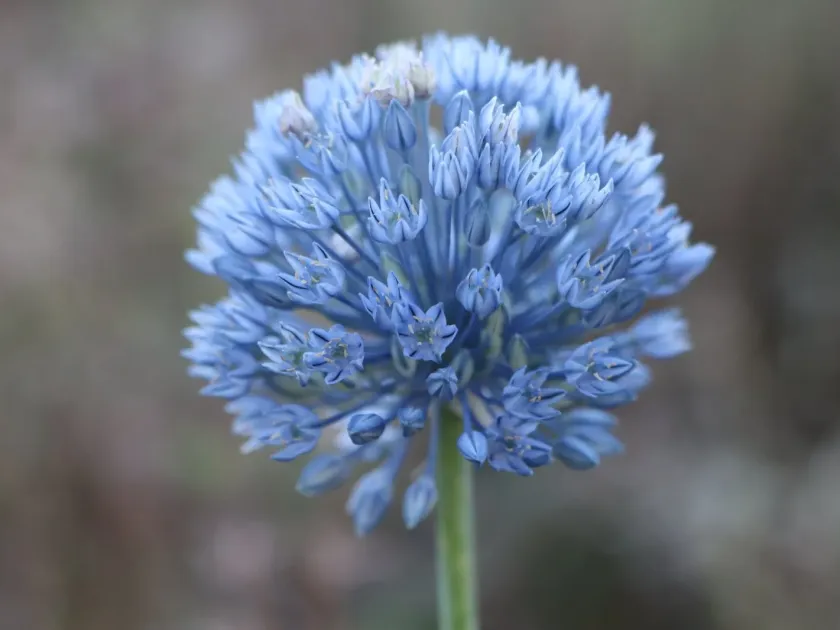
Description
Sowing dates
Sowing seeds of Allium caeruleum is typically performed in early spring once the soil has warmed up, or in late autumn as a winter-sowing method. Autumn planting allows for natural stratification, which ensures more uniform germination.
It is important to note that plants grown from seeds will take two to three years to reach their full flowering maturity. Consequently, many gardeners prefer propagating through bulb division to achieve faster results.
For bulb planting, the ideal time is in early autumn, giving the plants sufficient time to establish a strong root system before the first hard frost sets in for the winter period.
The planting depth should be approximately two to three times the diameter of the bulb. Proper spacing of about 15–20 cm between plants is essential to prevent overcrowding and allow for adequate airflow.
Soaking seeds in growth promoters prior to sowing can significantly improve germination rates and help young seedlings develop a robust root system during the early stages of their growth cycle.
Growing requirements
The blue globe onion, belonging to the Amaryllidaceae family, originates from the arid steppes and semi-desert regions of Central Asia. This species is highly valued for its drought tolerance and need for full sun.
The plant thrives in well-drained, sandy, or light loam soils with a neutral to slightly alkaline pH. Heavy, waterlogged clay soils are unsuitable and can lead to bulb rot, especially during the dormant season.
Good drainage is the most critical factor for success; therefore, planting on slopes or raised garden beds is recommended to prevent moisture buildup after heavy rainfall or melting snow.
While the species is hardy and relatively undemanding, it benefits from moderate nutrient levels. Applying a balanced fertilizer in early spring can encourage vigorous leaf growth and strong flower stalks.
During the summer dormancy period, the bulbs prefer dry conditions. It is essential to avoid over-watering during this time, as excessive moisture can disrupt the plant's natural ripening process.
Main diseases and pests
The most common health issues for Allium caeruleum include fungal diseases such as rust and downy mildew. These are usually triggered by high humidity levels and poor ventilation within the planting area.
Pests like the onion fly and stem nematodes can cause significant damage to the plant's root and bulb system. Crop rotation and using disease-free bulbs are the primary methods for managing these threats.
Maintaining a clean garden by removing weeds and debris helps reduce the habitat for many potential pathogens and insect pests that could harm the onion crop throughout the growing season.
If chemical intervention becomes necessary, use targeted insecticides and fungicides, carefully following instructions to protect local pollinators and maintain the balance of the garden ecosystem.
Regular monitoring of the plants for any yellowing of leaves or stunted growth is crucial, as early detection allows for quick action and limits the spread of potential infections.
Harvesting
Harvesting is typically carried out once the foliage has completely withered and turned yellow, which signals that the plant has entered its natural stage of dormancy and the bulbs have fully matured.
Bulbs should be lifted gently using garden forks to avoid any physical damage to the outer tunics. Damaged bulbs are significantly more susceptible to decay during the storage period.
After harvesting, bulbs must be cured in a dry, well-ventilated, shaded area for several weeks. This process allows the outer skins to dry thoroughly and seals the bulb against future infections.
Once cured, clean off any loose soil and roots, then sort the bulbs based on their health and size. Store them in mesh bags or wooden crates in a cool, dry place with consistent temperatures.
Periodic inspection of stored bulbs is highly recommended to identify and remove any decaying specimens immediately, which prevents the rot from spreading to the rest of the healthy bulb harvest.