
Chives
Allium schoenoprasum L.
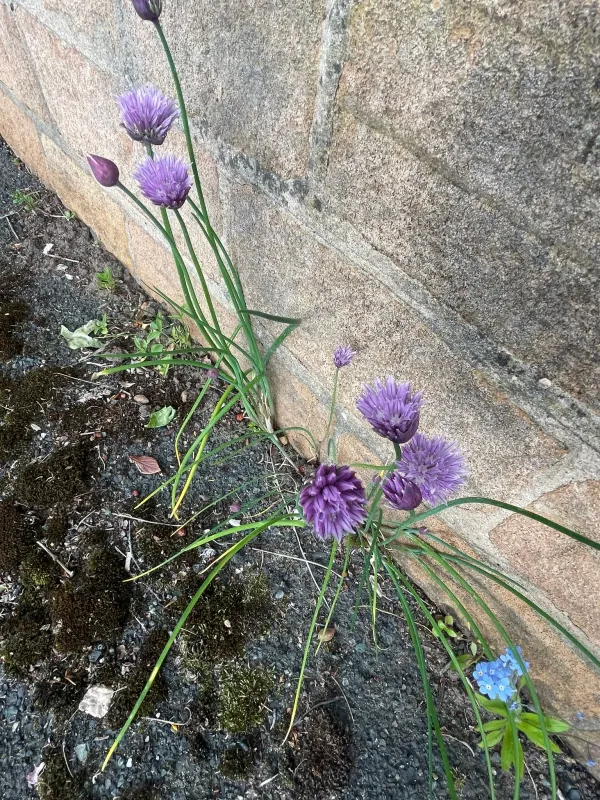
Description
Sowing dates
Chives (Allium schoenoprasum) are a hardy perennial herb belonging to the Amaryllidaceae family, widely grown for their flavorful tubular leaves.
Seeds can be sown directly into the ground in early spring, once the soil has warmed up, or in late autumn for a head start the following year.
Sow seeds about 1 centimeter deep in rows spaced roughly 30 centimeters apart to allow enough room for the clumps to expand over time.
Germination usually takes between two to three weeks; during this period, keeping the soil consistently moist is essential for successful seedling establishment.
Alternatively, established clumps can be divided in the spring or late summer, which is often faster and more efficient for small garden plots.
Growing requirements
Chives are extremely adaptable and thrive in various climates, demonstrating excellent winter hardiness across most temperate regions.
They prefer fertile, well-draining soil rich in organic matter with a pH level ranging from slightly acidic to neutral for optimal nutrient uptake.
While chives prefer full sun, they are quite tolerant of partial shade, making them versatile additions to diverse garden settings.
Adequate water is crucial for maintaining tenderness in the leaves; dry spells will cause the foliage to become tough and bitter.
Regular fertilization with a balanced organic compost or liquid feed after each harvest ensures robust regrowth and high leaf quality throughout the season.
Yield
Productivity is highest in plants that are between two and four years old, after which the clumps may become overcrowded and need thinning.
With consistent care, you can expect multiple harvests throughout the growing season, yielding significant amounts of fresh greens.
Under favorable conditions, yields can reach approximately 2 to 3 kilograms per square meter, depending on the frequency of cutting and soil fertility.
Since the leaves are highly perishable, the primary economic utility of this crop is local fresh market supply or direct culinary use.
Good yields are best sustained by preventing the plants from flowering prematurely, as energy diverted to seeds reduces vegetative growth.
Main diseases and pests
Pests like onion flies and thrips are the most common adversaries, capable of causing localized damage if infestations are left unmanaged.
Fungal diseases, specifically downy mildew and rust, can occur during prolonged periods of high humidity and poor air circulation.
Prevention involves strategic spacing, maintaining healthy soil structure, and ensuring that water is applied at the base of the plant.
Crop rotation and keeping the surrounding area free of weeds are effective cultural methods to disrupt the life cycles of common pests.
- Avoid overhead watering to keep foliage dry and reduce fungal risk.
- Remove any yellowing or diseased foliage immediately to limit spread.
- Monitor for aphids during early spring growth flushes.
Harvesting
Harvesting should begin when the leaves are at least 15–20 centimeters tall, typically starting a few months after initial seeding.
Use clean, sharp shears to cut leaves down to approximately 2–3 centimeters above the soil line to stimulate new shoots from the base.
Allow the plants at least 3 to 4 weeks between major harvests to recover and rebuild the carbohydrate stores in their bulbs.
Stop harvesting in early autumn to allow the plant to store energy for dormant winter months and ensure strong emergence the following spring.
Chives are best used fresh, as they lose their delicate onion-like flavor profile quickly when dried or stored for long periods.