
Waldstein onion
Allium waldsteinii
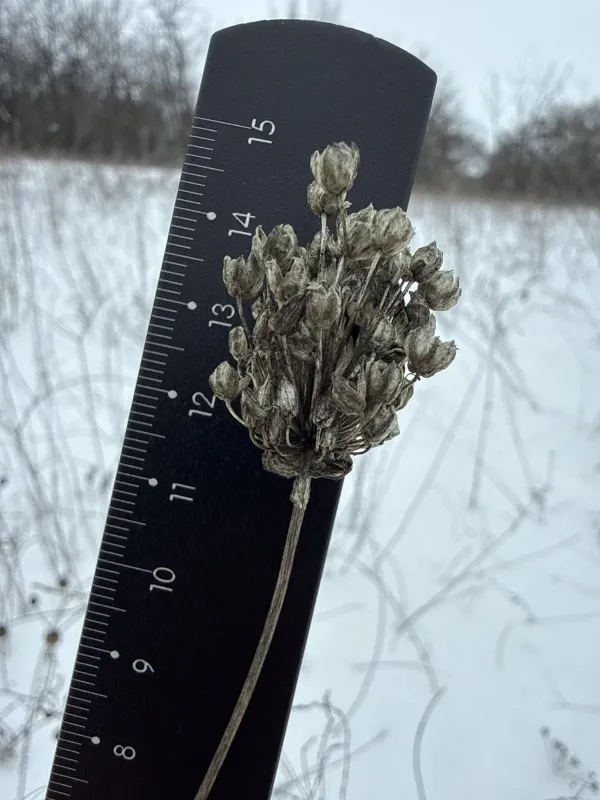
Description
Sowing dates
Waldstein onion (Allium waldsteinii) is a perennial bulbous plant belonging to the Amaryllidaceae family. It is a unique botanical species that exhibits resilience and specific developmental cycles typical of many wild onion relatives, making it a subject of interest for specialized agriculture.
Sowing in open ground should be timed for early spring, once the soil has warmed up to at least 5 degrees Celsius. For optimal results, seeds are usually sown at a depth of about 1–1.5 cm. This ensures the seeds have enough moisture and contact with the soil to germinate effectively.
For better seedling development, many growers use pre-sowing seed stratification. Keeping seeds in moist conditions at low temperatures for several weeks helps break dormancy, leading to higher germination rates and more uniform plant emergence in the field.
Spacing is a critical factor for success. Maintaining a distance of 20 cm between rows and about 5–10 cm between individual plants ensures that each specimen has sufficient room for bulb development and access to soil nutrients without intense competition.
The plant demonstrates significant vigor early in the season. Proper weed management in the first few weeks after emergence is crucial, as the young plants need to establish a strong root system before they can effectively outcompete surrounding weeds.
Growing requirements
Waldstein onion thrives in full sun, which is essential for proper bulb maturation. Areas with high light intensity promote the accumulation of sugars and secondary metabolites, which improve the quality and storage life of the harvest.
Soil requirements focus on texture and drainage. Well-drained sandy or loamy soils are ideal, as they allow for healthy root growth. The pH should be neutral to slightly alkaline, as overly acidic soils can impede nutrient uptake and overall growth.
Water management must be balanced. While the crop requires regular moisture during the active leaf-growth stage, it is susceptible to root rot if the soil remains waterlogged. Providing a consistent supply of water while ensuring rapid drainage is a key management practice.
Fertilization should be focused on phosphorus and potassium to encourage robust bulb formation and improve overall stress tolerance. Nitrogen should be applied sparingly, especially late in the season, to avoid excessive leaf growth at the expense of bulb maturity.
The crop is adapted to moderate climates, performing best at temperatures between 15 and 22 degrees Celsius. Extreme heat, combined with drought, may cause the plant to enter early senescence, essentially shutting down growth earlier than planned.
Main diseases and pests
Fungal diseases are the primary concern for onion crops. Downy mildew (peronospora) is frequently encountered in humid conditions. Managing air circulation between plants by ensuring correct spacing is a primary defense against this pathogen.
Onion flies represent a significant insect threat. Larvae feed on the roots and bulbs, causing severe damage. Using row covers during the fly's peak activity period acts as a physical barrier and is one of the most effective non-chemical control methods.
Thrips can also infest the leaves, causing silvering and tissue damage. If uncontrolled, they can lead to significant yield losses. Monitoring for these pests and applying biological controls or targeted insecticides is advised when populations spike.
Fusarium wilt remains a concern in poorly drained soils. The pathogen enters the plant through the roots, causing leaves to yellow and wilt. Implementing strict crop rotation practices prevents the build-up of this fungus in the soil over time.
Overall plant health is best maintained through preventative management. By combining resistant varieties, proper drainage, and timely pest monitoring, farmers can minimize the impact of these threats on the total harvest.