
One-leaf onion
Allium unifolium
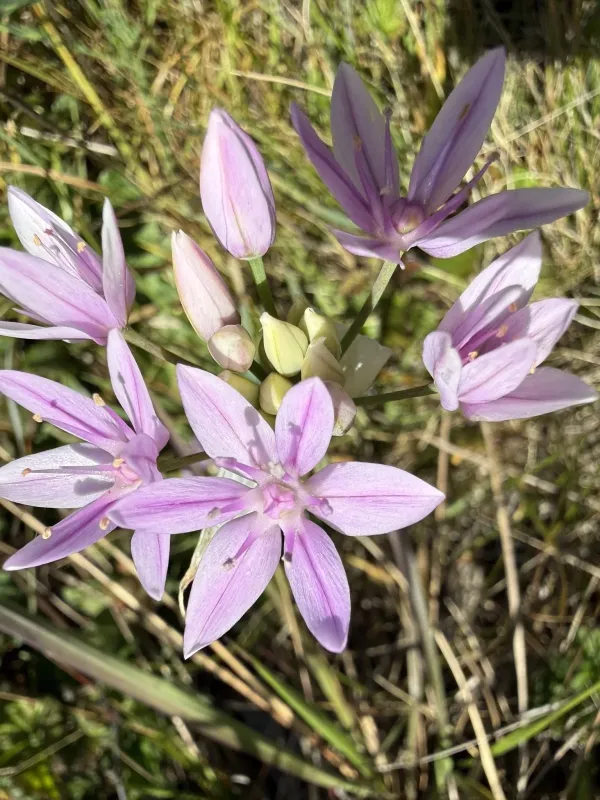
Description
Sowing dates
Planting of Allium unifolium is typically performed in the autumn, during September or October. This timing ensures the bulbs establish their root systems before the onset of winter frost, which is essential for vigorous spring growth.
In regions with harsh winters, planting may be delayed until early spring as soon as the soil becomes workable and warms up. Spring planting requires consistent moisture to ensure the bulbs can thrive during their initial growth phase.
Bulbs should be planted at a depth of approximately 8 to 10 centimeters, or roughly three times their diameter. This depth provides adequate protection against temperature fluctuations and helps stabilize the stem as it emerges.
Maintain a spacing of 10 to 15 centimeters between individual bulbs. This density prevents overcrowding, allows for proper air circulation, and reduces the competition for soil nutrients during the peak growing season.
Choose a location that is free of standing water, especially after snowmelt or heavy rainfall. Proper drainage is vital, as Allium species are highly susceptible to bulb rot when kept in consistently saturated soils.
Growing requirements
The one-leaf onion thrives in full sun exposure, which is necessary for strong stem development and vibrant flowering. While it can tolerate partial shade, it performs best when receiving at least six to eight hours of direct sunlight.
The soil should be light, well-draining, and rich in organic matter. Sandy or loamy soils are ideal, though heavy clay soils can be improved by adding grit or compost to achieve the necessary drainage and aeration properties.
This species prefers a temperate climate and is well-adapted to Mediterranean-like conditions. During the growing season, it requires moderate watering to keep the soil slightly moist, but it can tolerate short dry spells once established.
Optimal growth occurs at temperatures ranging from 15 to 22 degrees Celsius. Extreme heat can lead to early senescence of the foliage, while protecting the plants from high winds is recommended to prevent the tall flower stalks from lodging.
Fertilization with a balanced, low-nitrogen formula early in the season encourages healthy root and flower formation. Avoid high-nitrogen fertilizers, as they may promote excessive leafy growth at the expense of floral development.
Main diseases and pests
Fusarium basal rot is the most significant threat to Allium unifolium, particularly in overly wet soil conditions. It causes the roots and basal plate to decay, leading to yellowing leaves and the eventual collapse of the plant.
The onion fly can infest the bulbs and surrounding soil, leading to weakened growth and plant death. Using protective row covers during the early stages of development can effectively deter pests from laying eggs near the bulb base.
Nematodes may infest the root system, causing stunted growth and distorted foliage. Crop rotation and using certified healthy bulbs are the most reliable methods for preventing nematode issues in the garden bed.
Botrytis, or gray mold, can affect the leaves and flowers during periods of high humidity and poor ventilation. Keeping the planting area tidy and removing any debris helps maintain a healthy microclimate around the plants.
Regular monitoring of the garden is essential to catch early signs of distress. Prompt removal and destruction of infected plants are necessary to prevent the spread of fungal spores throughout the entire planting site.