
Three-footed onion
Allium tripedale
Description
Sowing dates
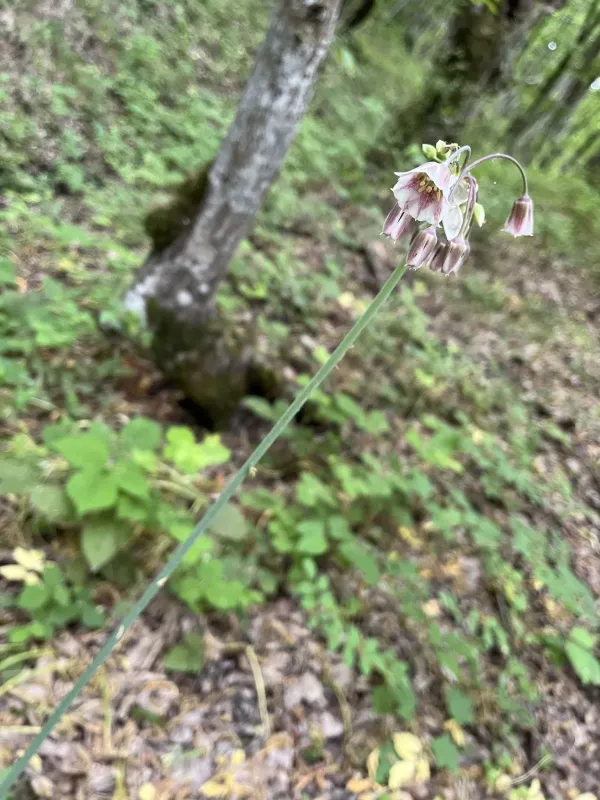
The three-footed onion (Allium tripedale) is a unique bulbous plant belonging to the Amaryllidaceae family. Planting is typically performed during autumn or early spring, ensuring the bulbs are placed in a well-prepared, loose soil substrate.
For seed propagation, stratification is recommended to improve germination rates, as the seeds respond well to cold conditions. Sowing in late autumn allows the seeds to naturalize and break dormancy during the winter period.
The optimal planting depth for the seeds is approximately 1-2 centimeters. Spacing should be maintained at 25-30 centimeters between rows to allow for healthy development of the root system and foliage as the plant matures.
Germination requires consistent moisture, but the soil should not become waterlogged. Once the seedlings appear, they are relatively delicate and should be protected from harsh winds and extreme temperature fluctuations using light protective covers.
Vegetative propagation via offsets is the preferred method for faster maturation. These bulbs should be planted during their dormant phase, ensuring they have sufficient time to establish roots before the heat of mid-summer.
Growing requirements
Allium tripedale thrives in locations with full sun to partial shade. Proper light exposure is essential for the bulb to store enough energy for the subsequent year's growth and flowering cycles.
The soil must be fertile, well-draining, and rich in organic matter. A neutral pH level is ideal for this species, as high acidity or alkalinity can inhibit the uptake of necessary microelements.
Good soil aeration is critical, as heavy clay soils tend to hold excess moisture, leading to root rot. Incorporating sand or fine gravel into the growing medium can significantly enhance drainage properties.
During the growing season, moderate watering is necessary, especially during dry spells. However, it is essential to decrease moisture input as the plant approaches the dormant stage to prevent bulb decay.
While the species is relatively hardy, it benefits from a protective layer of mulch in regions with freezing winters. This insulation prevents rapid freeze-thaw cycles that can cause damage to the bulb tissue.
Main diseases and pests
Fungal diseases, particularly downy mildew, are the most frequent threats to the three-footed onion. These pathogens thrive in high-humidity conditions and can spread rapidly if the air circulation is poor.
Root rot caused by various fungi is a significant concern in waterlogged soils. Prevention through soil sterilization and proper irrigation management remains the most effective strategy against these pathogens.
Pests like onion maggots can target the underground parts of the plant, causing stunted growth and potential bulb loss. Integrated pest management, including the use of aromatic repellent plants, is recommended.
Aphids may cause damage not only through direct feeding but also by transmitting viral diseases. Regular monitoring of the foliage for signs of insect activity is necessary throughout the active growing period.
To minimize disease pressure, it is essential to maintain proper hygiene in the garden by removing weeds and any infected plant debris immediately. Crop rotation is vital to prevent the buildup of soil-borne pests.
Harvesting
The harvest period occurs after the foliage has naturally withered and turned yellow, indicating that the nutrients have fully transferred into the bulb. Harvesting on a dry day helps ensure proper curing.
Bulbs should be lifted gently from the soil using a fork, ensuring no damage to the outer tunics. Any injury to the bulb creates an entry point for fungal spores that could lead to spoilage during storage.
Post-harvest curing is a vital step where bulbs are kept in a well-ventilated, shaded area for 10-14 days. This process hardens the outer layers and significantly improves the shelf life of the harvest.
For long-term storage, the onions should be placed in crates or net bags in a cool, dark location. Maintaining a stable temperature between 5-10 degrees Celsius helps preserve the quality of the bulbs.
Periodic inspection of stored bulbs is necessary to remove any individuals showing signs of decay. Proper ventilation is the key to preventing mold formation in stored stocks throughout the winter season.