
Three-leaved garlic
Allium trifoliatum
Description
Sowing dates
Three-leaved garlic, scientifically known as Allium trifoliatum, is a bulbous perennial member of the Amaryllidaceae family, native to the Mediterranean region.
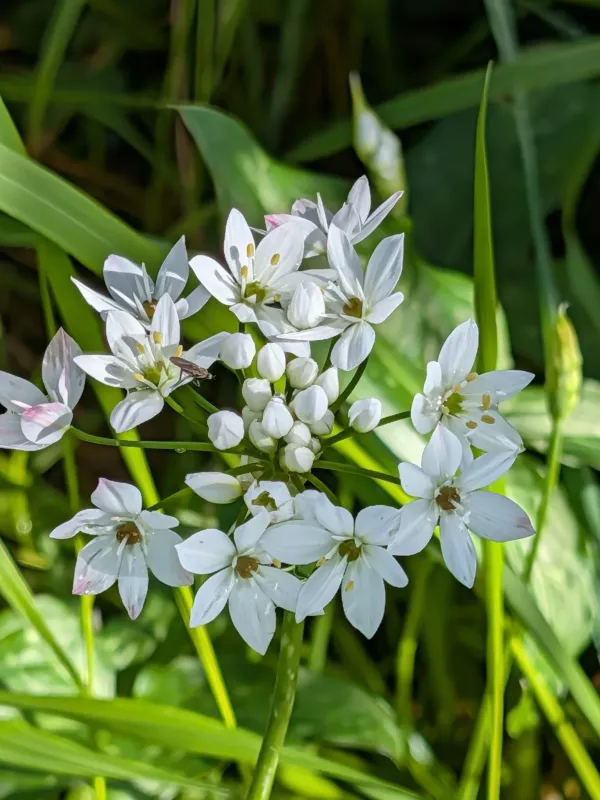
The plant is highly valued by gardeners for its white, star-shaped flowers that bloom in late spring, creating an elegant display in garden borders.
Vegetative propagation via bulb offsets is the most common and successful method to multiply this crop while maintaining genetic stability.
Planting should be carried out in autumn, providing the bulbs with enough time to establish roots in cool soil before the winter dormancy sets in.
When planting, ensure a depth of approximately 8-10 cm, which protects the bulbs from extreme temperature fluctuations and promotes uniform development.
Growing requirements
This species thrives in full sun exposure, which is crucial for the development of robust flower stalks and the plant's overall photosynthetic activity.
The soil must be well-drained and gritty, simulating the natural rocky habitats where Allium trifoliatum typically originates.
Watering requirements are moderate: the soil should remain moist but never waterlogged during the active growth phase, as moisture control is vital for bulb health.
During the summer dormancy period, when the foliage dies back, the site should be kept relatively dry to prevent the bulbs from rotting prematurely.
Occasional application of organic mulch during the dormant season helps to regulate soil temperature and suppress competitive weed growth around the bulbs.
Main diseases and pests
The primary threats to this species include various forms of fungal rot, such as white rot or botrytis, often triggered by stagnant moisture in the root zone.
Pests like onion flies and mites can be problematic; these organisms typically attack the bulbous tissue, weakening the plant's structural integrity.
Implementing a strict sanitation program, including the removal of infected plant debris, is essential for maintaining the health of the bulb collection.
If chemical interventions are necessary, they should be applied cautiously, focusing on systemic treatments that address the specific pest or pathogen detected.
Strategic spacing between bulbs ensures proper air circulation, which naturally reduces the humidity levels that favor fungal spore germination.
Harvesting
Harvesting for storage is recommended only once the foliage has completely turned yellow and withered, indicating that the bulb has reached maturity.
The extracted bulbs should be cleaned gently, avoiding any mechanical damage, and cured in a dry, ventilated area out of direct sunlight.
After curing, bulbs should be stored in breathable containers, such as mesh bags, in a cool and dry environment to prevent premature sprouting.
The horticultural utility of Allium trifoliatum is primarily aesthetic, serving as an excellent choice for rock gardens, containers, and xeriscaping.
- Full sun exposure;
- Well-drained sandy soil;
- Low moisture during dormancy.