
Ramp
Allium tricoccum
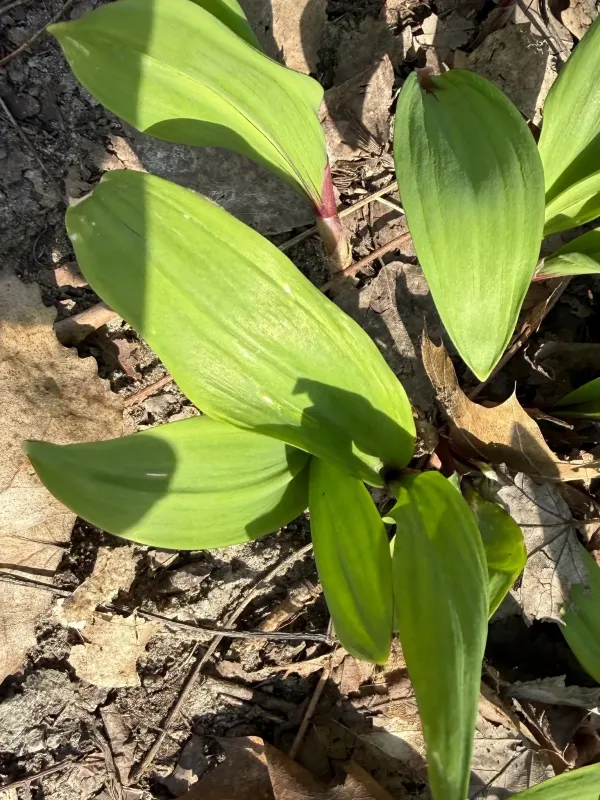
Description
Sowing dates
Sowing Allium tricoccum requires stratification, as the seeds have deep dormancy and will only germinate after an extended period of cold exposure.
In natural habitats, seeds fall in autumn and undergo a winter cycle in the soil, which is why late autumn is the most effective time for planting.
Dry seeds should be sown immediately after purchase, ensuring they experience cold stratification at 0–5 degrees Celsius for 90 to 120 days.
Spring sowing is generally unsuccessful because the seeds lose their moisture content and viability quickly outside of the natural cooling process.
Many growers prefer using trays buried in a shaded outdoor area during winter to replicate the natural environmental cycles necessary for successful germination.
Growing requirements
Allium tricoccum, a member of the Amaryllidaceae family, is a shade-loving spring ephemeral that thrives in cool, moist forest environments.
The plant demands rich, loamy, and well-drained soil that remains consistently moist throughout the growing season without becoming waterlogged.
High organic matter content, such as leaf mold or compost, is essential for mimicking the plant's natural woodland habitat and supporting healthy growth.
These plants require deep shade or filtered light, making them ideal for woodland gardens or north-facing plots protected from intense sun.
Because the plants enter dormancy and disappear after spring, it is crucial to mark the site clearly to prevent accidental damage during summer soil work.
Yield
The yield of Allium tricoccum is measured by the biomass of tender, flavorful leaves that emerge in early spring before the canopy fully leafs out.
Commercial production is challenging due to the slow growth rate; plants typically require 4–5 years from seed to reach a harvestable stage.
Consistent moisture management and the addition of organic mulch can significantly improve leaf size and overall yield per square meter.
Responsible harvesting is vital; growers should never remove more than a third of a plant's leaves to ensure the bulb remains strong for next season.
Ramps are highly prized in culinary circles for their intense garlic-onion flavor, commonly used in fresh salads, pesto, and traditional spring soups.
Main diseases and pests
Ramps are generally robust and suffer from fewer pests than typical onion crops due to the presence of strong sulfur compounds in their tissues.
The primary threat to health is root rot, caused by excessive moisture and poor drainage, especially during spring freeze-thaw cycles.
Poor ventilation in dense clusters can lead to fungal issues like downy mildew or rust if the spring season is particularly wet and humid.
Slugs and snails can be problematic for emerging foliage, so monitoring is advised, particularly during the initial growth stage in early spring.
In most garden settings, the lack of traditional insect pests makes this crop an excellent candidate for low-input or organic vegetable production.
Harvesting
Harvesting begins in early spring when the leaves are fully developed but before the plant begins to produce its characteristic flower stalks.
Leaves are typically harvested by cutting them just above the bulb, ensuring the root system is left intact to allow the plant to return the following year.
The window for quality harvest is short, usually lasting only a few weeks, as leaf texture degrades and turns bitter once the plant begins flowering.
The product is highly perishable and requires immediate cooling or processing to maintain its delicate flavor and crisp texture after harvest.
For long-term storage, leaves can be flash-frozen or incorporated into butter, as drying the leaves often leads to a significant loss of aroma.