
Thin-flowered garlic
Allium tenuiflorum
Description
Growing requirements
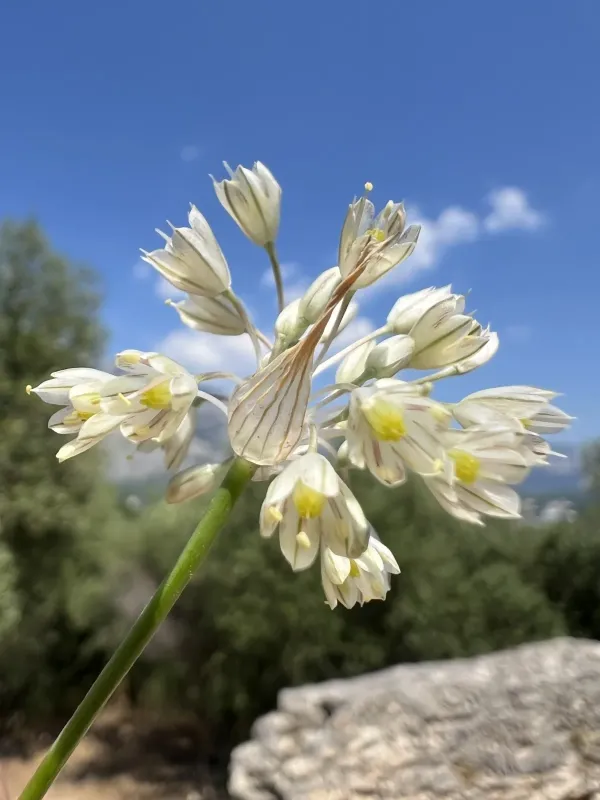
Thin-flowered garlic (Allium tenuiflorum) is a perennial herbaceous plant belonging to the Amaryllidaceae family. Originating from the Mediterranean region, this species is well-adapted to rocky, sun-drenched habitats where drainage is optimal and soil competition is minimal.
The plant features small, egg-shaped bulbs covered in papery tunics. Its foliage consists of narrow, channelled leaves that usually wither shortly after the flowering period, a physiological adaptation that helps the plant conserve energy during the harsh, dry summer months.
For successful cultivation, it requires full sun exposure and well-draining soil. It is highly intolerant of waterlogged conditions, which can quickly lead to bulb rot. Sandy or gritty soil compositions are preferred to mimic its natural, naturally aerated environmental conditions.
The agronomic management of this species involves minimal intervention. It does not require high levels of fertilization, as excessive nutrient loading can adversely affect the plant's structural integrity. Weed control is essential during the early stages of the growing season to prevent resource competition.
While often categorized as an ornamental plant, it serves as a robust example of genetic diversity within the Allium genus. It is highly valued in rock gardens and niche agricultural settings for its ability to thrive in poor soils where other bulbous vegetables might struggle.
Main diseases and pests
The primary threats to Allium tenuiflorum include fungal pathogens such as downy mildew and Fusarium wilt. These diseases are most prevalent during seasons with high humidity or poor soil drainage, which compromise the health of the bulbous root system.
Insect pests pose significant challenges, particularly the onion fly, whose larvae can decimate entire patches by tunneling into the bulbs. Thrips are another common pest, feeding on the foliage and often acting as vectors for various plant viruses.
Management strategies focus on preventive measures, such as selecting well-draining sites and ensuring proper crop rotation. By avoiding consecutive planting of Allium species in the same location, growers can significantly break the life cycles of soil-borne pathogens.
Chemical intervention should be considered a last resort, with preference given to integrated pest management (IPM) practices. Applying organic mulch can help regulate soil temperature and inhibit the emergence of certain soil-dwelling pests near the bulb neck.
Late-season sanitation is critical to disease management. Removing and destroying all infected plant materials ensures that fungal spores and pest pupae do not overwinter in the field, thereby protecting the vitality of the crop for the upcoming year.