
Allium subvillosum
Allium subvillosum
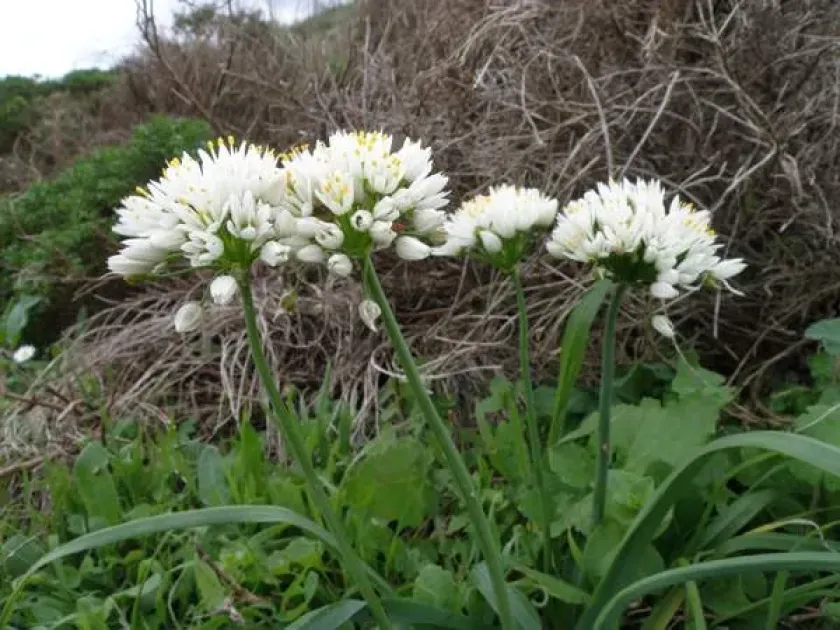
Description
Sowing dates
Allium subvillosum is a perennial plant belonging to the Amaryllidaceae family. Often referred to by various local names related to its wild onion characteristics, it is a hardy species that provides a nutritious, early-season harvest for vegetable gardeners.
Sowing seeds in the open field is most effective in late autumn, as the seeds require a period of cold stratification to germinate properly. Spring sowing is possible only if seeds are cold-treated for several weeks before planting to ensure higher viability.
Seeds should be sown at a depth of 1-1.5 centimeters. Spacing between rows should be maintained at 25-30 centimeters, providing enough area for the plants to establish strong root systems and form dense, productive clusters over several seasons.
Vegetative propagation via root division is a highly recommended method for establishing permanent patches. By dividing established clumps in early spring or autumn, gardeners can ensure a quicker return on investment and more uniform plant growth.
During the first year, young plants grow slowly. It is essential to keep the planting area clear of invasive weeds to prevent competition for light and nutrients, which is critical for the long-term survival of the crop.
Growing requirements
This species thrives in partial shade or areas with filtered sunlight. Mimicking its natural forest-edge habitat, it performs best when protected from the harsh heat of the afternoon sun, which can cause premature wilting of the foliage.
Soil must be rich in organic matter, well-draining, and maintain a neutral to slightly acidic pH level. Soil compaction should be avoided at all costs, as the bulbs require porous soil to expand and develop healthily throughout the growing season.
The plant requires consistent moisture but is sensitive to waterlogging. A site with good drainage is mandatory to prevent rot in the bulb area, which is the most common cause of failure in poorly managed plots.
Hardiness is one of the key strengths of Allium subvillosum. The plant is well-adapted to cooler climates and can withstand freezing winter temperatures, emerging vigorously as soon as the soil begins to warm up in early spring.
Fertilization with organic compost in the early spring encourages rapid leaf production. Avoid excessive nitrogen applications later in the season, as this can negatively impact the plant's ability to store energy for the winter dormancy period.
Yield
The yield of this crop depends heavily on the density and age of the stand. On average, a well-tended patch can provide a substantial harvest of fresh leaves, reaching several kilograms per square meter in mature, well-established beds.
Productivity typically peaks by the third or fourth year after planting. By this stage, the plants have formed strong, interconnected root masses, which allow for a reliable and bountiful harvest each spring, providing a valuable source of early vitamins.
In terms of usage, the foliage is highly valued in culinary applications for its spicy, garlic-like flavor profile. It serves as an excellent addition to salads, soups, and traditional herbal dishes, acting as a functional food source.
Beyond human consumption, the plant serves as a beneficial addition to garden biodiversity. It produces flowers that attract local pollinators, which can support the broader ecosystem of the vegetable garden throughout the blooming season.
For consistent yields, partial harvesting is recommended rather than clear-cutting. By harvesting only the outer leaves, the plant maintains the energy reserves needed for rapid regrowth, allowing for multiple cuts during the peak growing season.
Main diseases and pests
Allium subvillosum is generally robust, but high humidity can lead to fungal issues such as downy mildew. Maintaining adequate spacing and ensuring good airflow between plants are the primary defenses against such outbreaks.
The onion fly is a major pest threat, as its larvae can destroy the base of the plant. Cultural practices, such as rotating crops and removing debris after the season, are the most effective ways to manage this threat without relying on chemicals.
To keep the plot healthy, regular monitoring for signs of infestation or disease is necessary. Removing affected plants promptly helps contain any localized issues before they spread to the rest of the patch, preserving the long-term viability of the crop.
Chemical intervention should be avoided, especially since the leaves are consumed raw. Instead, gardeners should focus on biological control methods, including attracting beneficial insects that predate on common garden pests.
Soil management also plays a role in disease prevention. By fostering a healthy soil microbial environment, the plants become more resilient to pathogens, reducing the need for intensive maintenance or artificial chemical treatments.
Harvesting
Harvesting begins in early spring, as soon as the leaves reach a sufficient height. Cutting should be performed with a clean, sharp knife about 2 centimeters above the soil line to protect the crown and encourage further growth.
Timely harvest is crucial; picking the leaves before the flower stalks appear ensures the highest concentration of flavor and nutrients. Once the plant begins to bolt, the leaves become fibrous and lose their preferred culinary texture.
Freshly harvested leaves can be stored in the refrigerator for up to a week if kept in breathable packaging. This maintains the turgor of the leaves and preserves their nutritional content until they are ready for use.
For long-term storage, the foliage can be frozen or dried. Freezing is the preferred method for preserving the fresh garlic aroma and vibrant green color, making it an excellent pantry staple for winter cooking and health support.
As the season comes to a close, the plants naturally enter dormancy. The yellowing foliage should be left until completely withered to allow the bulbs to recover their energy, ensuring a strong start for the following spring cycle.